
Here we share our local pilgrimage from St Mary’s Derby to St Mary’s Chapel on the Bridge. If you are local you might want to try it for yourself. If you are from far away we hope it can inspire you to create your own local pilgrimage.
Pilgrimage Walk
We started by reflecting on the journey ahead: it will be an opportunity to look again with our Laudato Si’ eyes, ears and also use our imagination from our minds and hearts.
A Pilgrim’s Prayer
Lord be the path before us,
be the companion beside us,
be the strength within us,
be the destination of our journey,
now and forever more. Amen
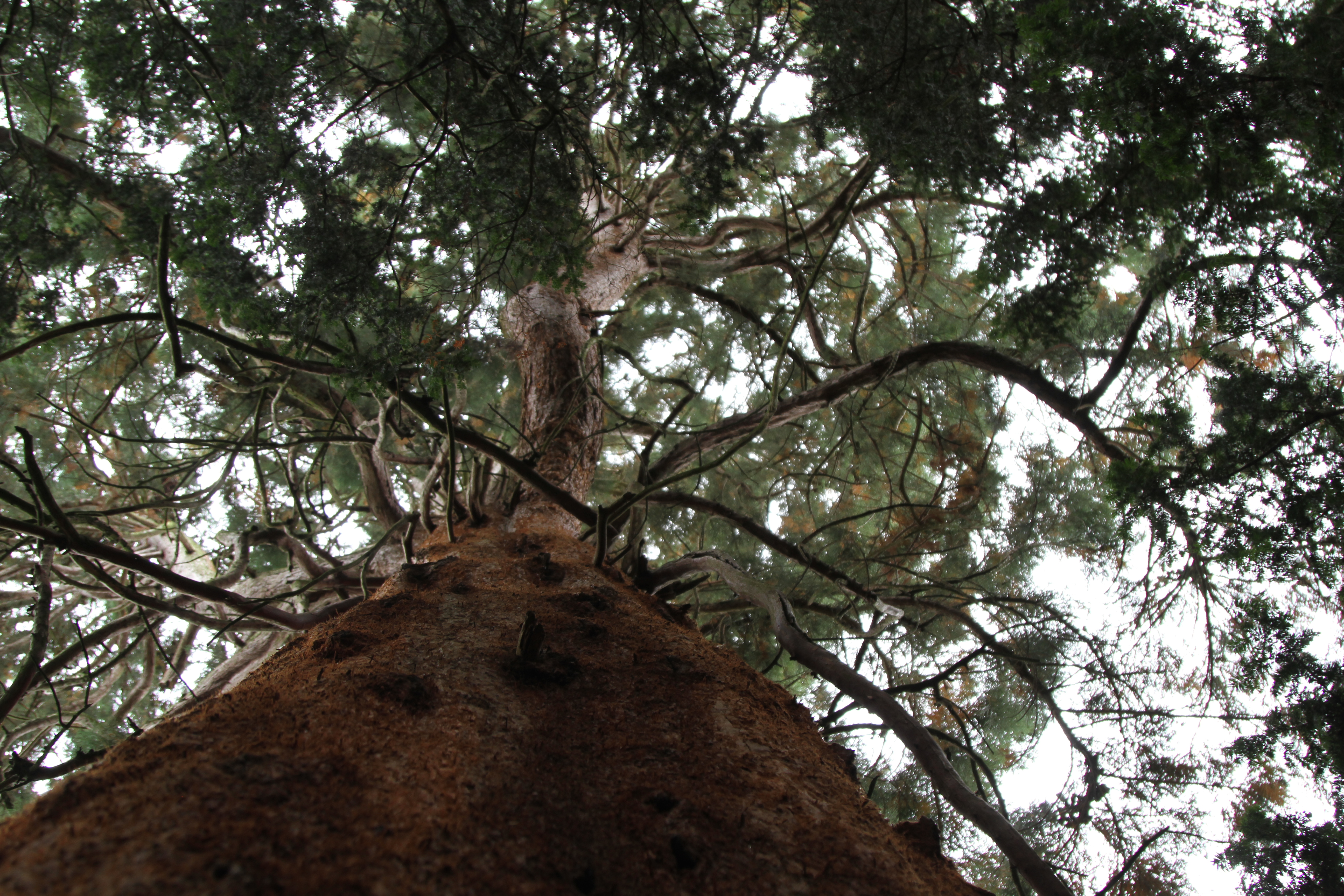
We approached the South West corner of Darley Park and picked up the line of an ancient iron age track. One that became a Roman road and served farmers, Romans, Monks, market traders, mill workers, those that transported lead mined in the Peak district, and many others linking London to the North. We considered their footsteps as we placed ours upon the same track.
The entrance to the Park seems tranquil now, verdant and with a gentle breeze fluttering through the tree tops. However this was once a Railway line surrounded by a hive of industry. We can close our eyes to imagine how it was.
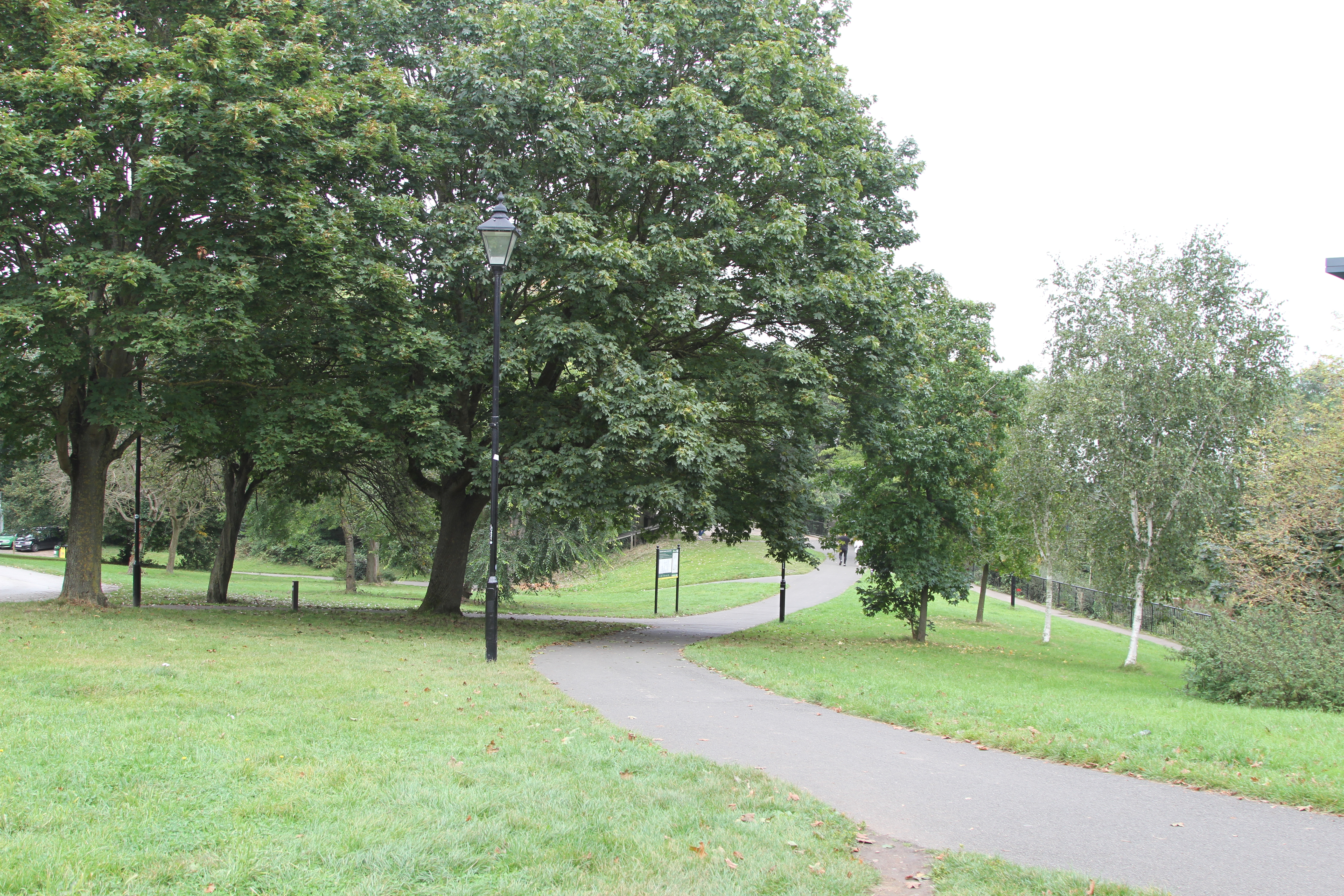
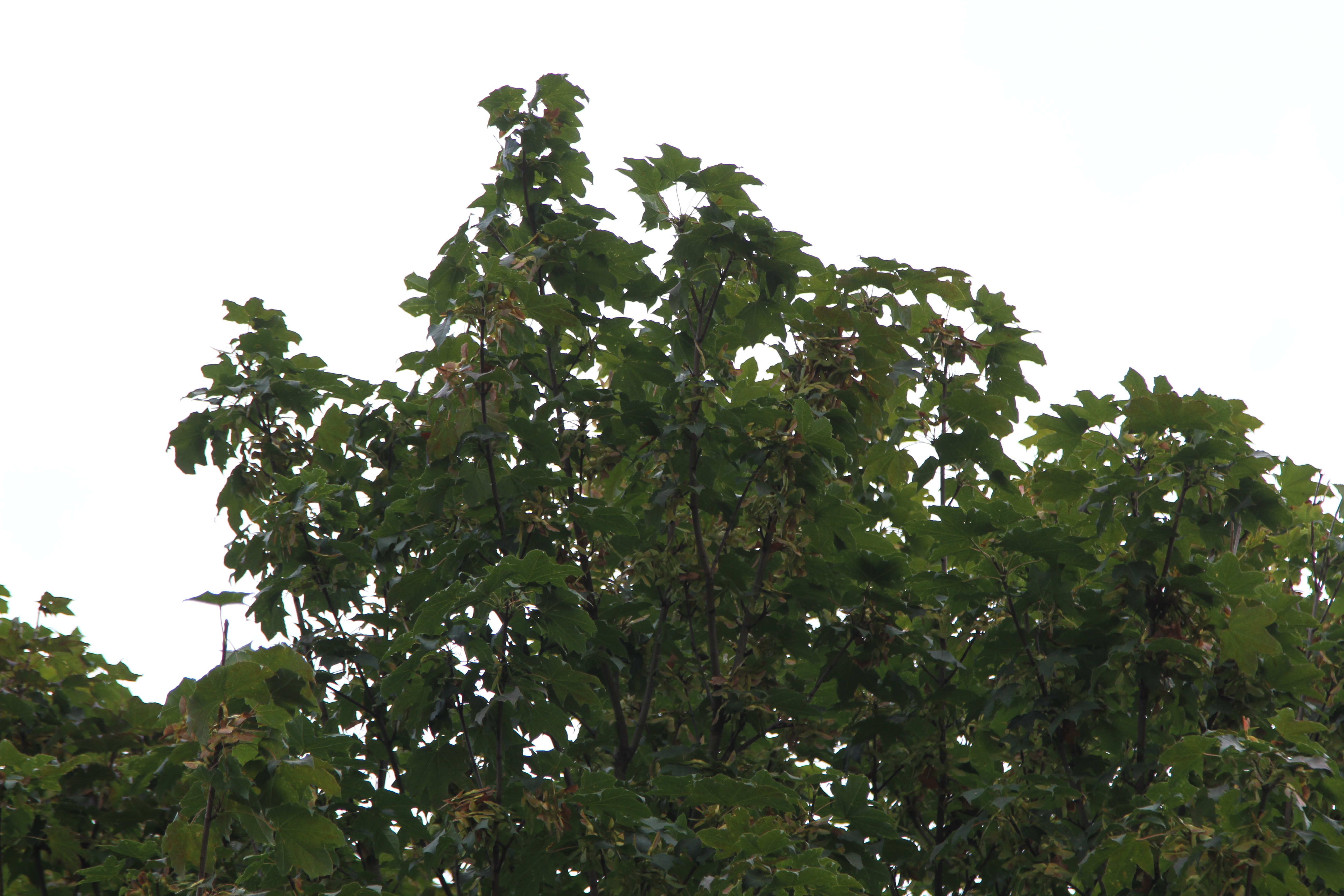

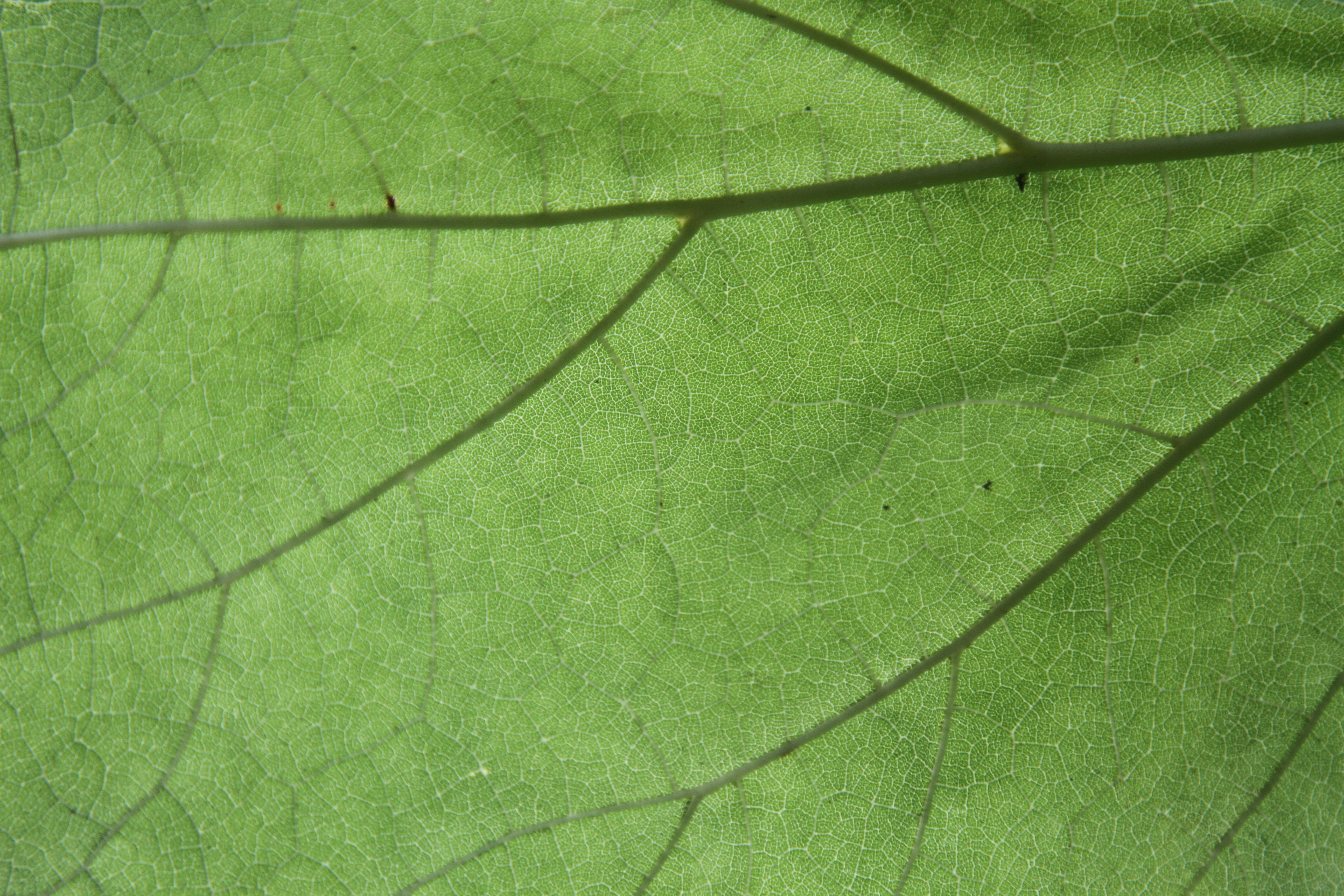
A little further on we paused to contemplate the wonder of creation. Wonder. We are born with wonder and children are good at it: consider a three year old studying an ant. But we tend to squash this wonder as we grow. Why?
Genesis 1:11-12
Then God said, ‘Let the earth put forth vegetation: plants yielding seed, and fruit trees of every kind on earth that bear fruit with the seed in it.’ And it was so. The earth brought forth vegetation: plants yielding seed of every kind, and trees of every kind bearing fruit with the seed in it. And God saw that it was good.
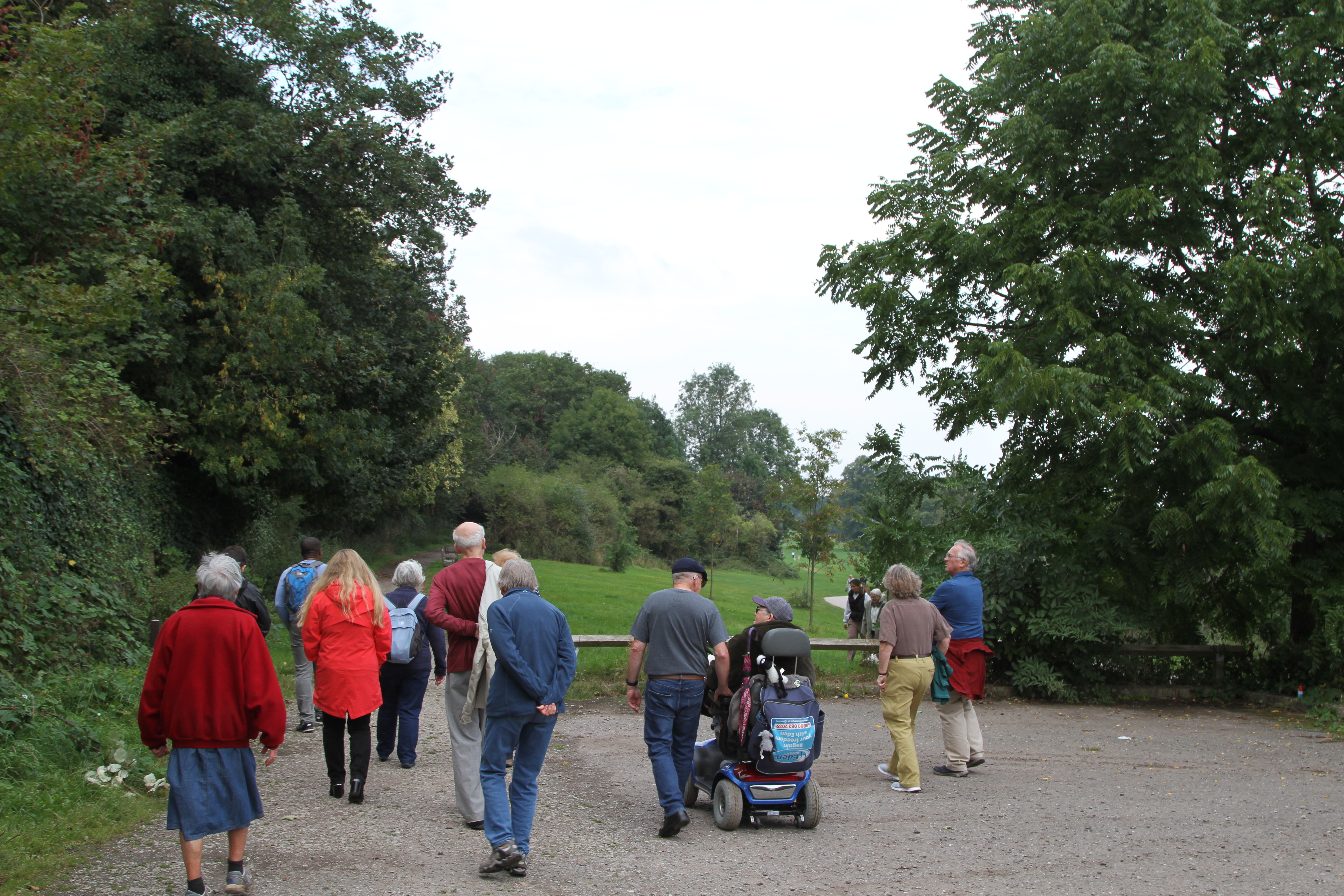
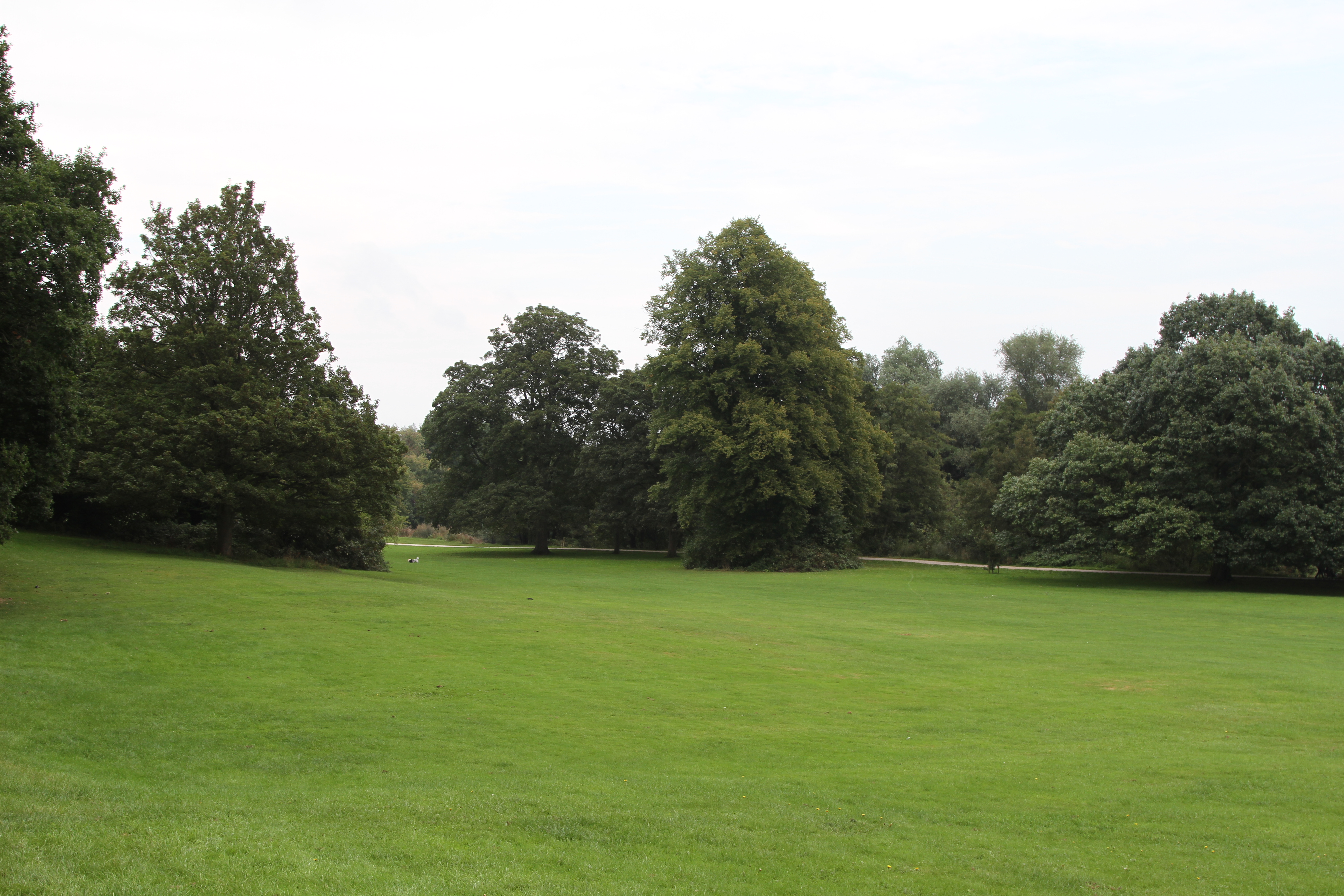
The Bright Field, by R S Thomas
I have seen the sun break through
to illuminate a small field
for a while, and gone my way
and forgotten it. But that was the pearl
of great price, the one field that had
the treasure in it. I realise now
that I must give all that I have
to possess it. Life is not hurrying
on to a receding future, nor hankering after
an imagined past. It is the turning
aside like Moses to the miracle
of the lit bush, to a brightness
that seemed as transitory as your youth
once, but is the eternity that awaits you.
We paused at an old Roman crossroads. Old ways still leave traces on our landscape. We can see the signature of humanity carved everywhere.

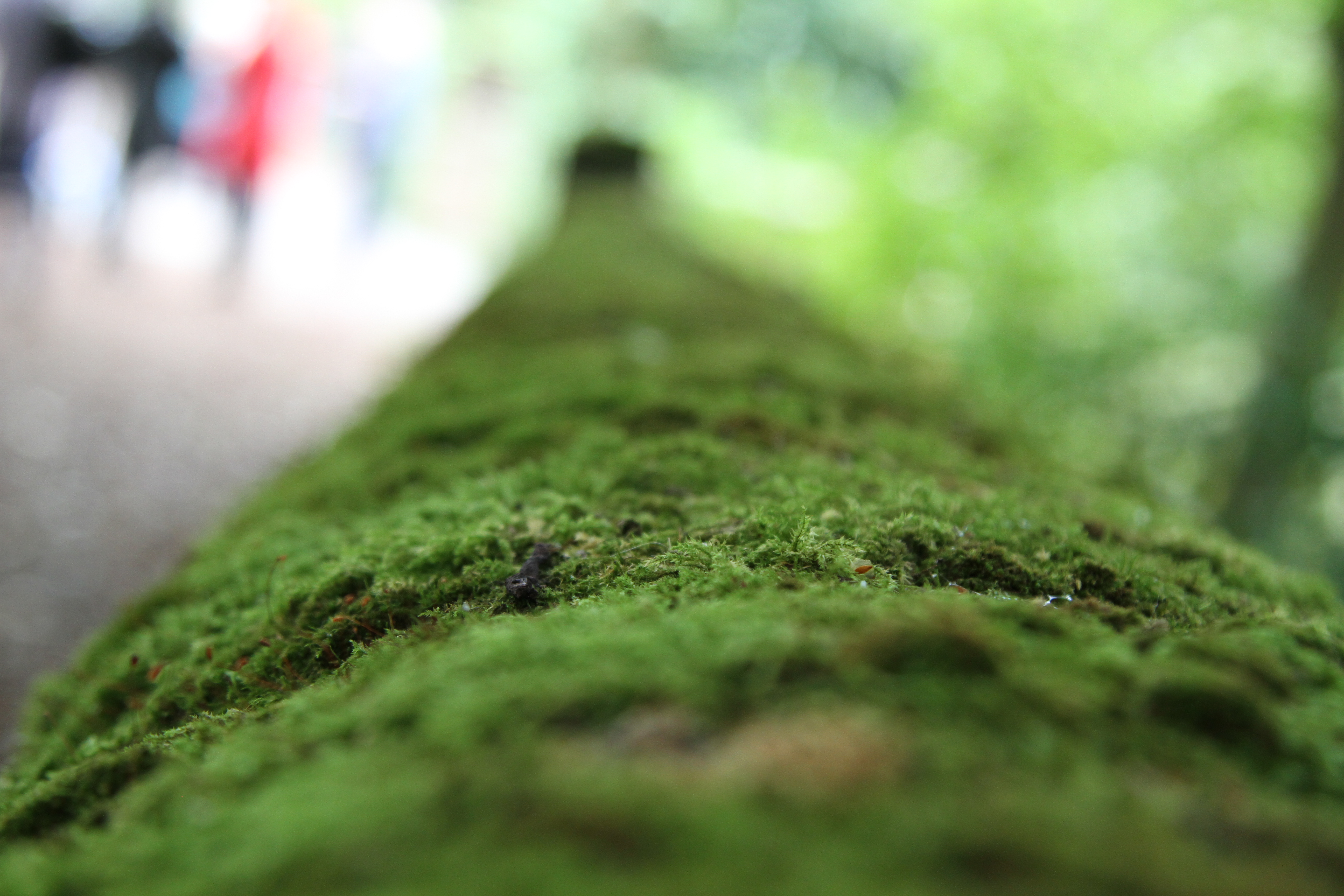
We crossed a long stretch of grass in silence, contemplating the route with our senses.
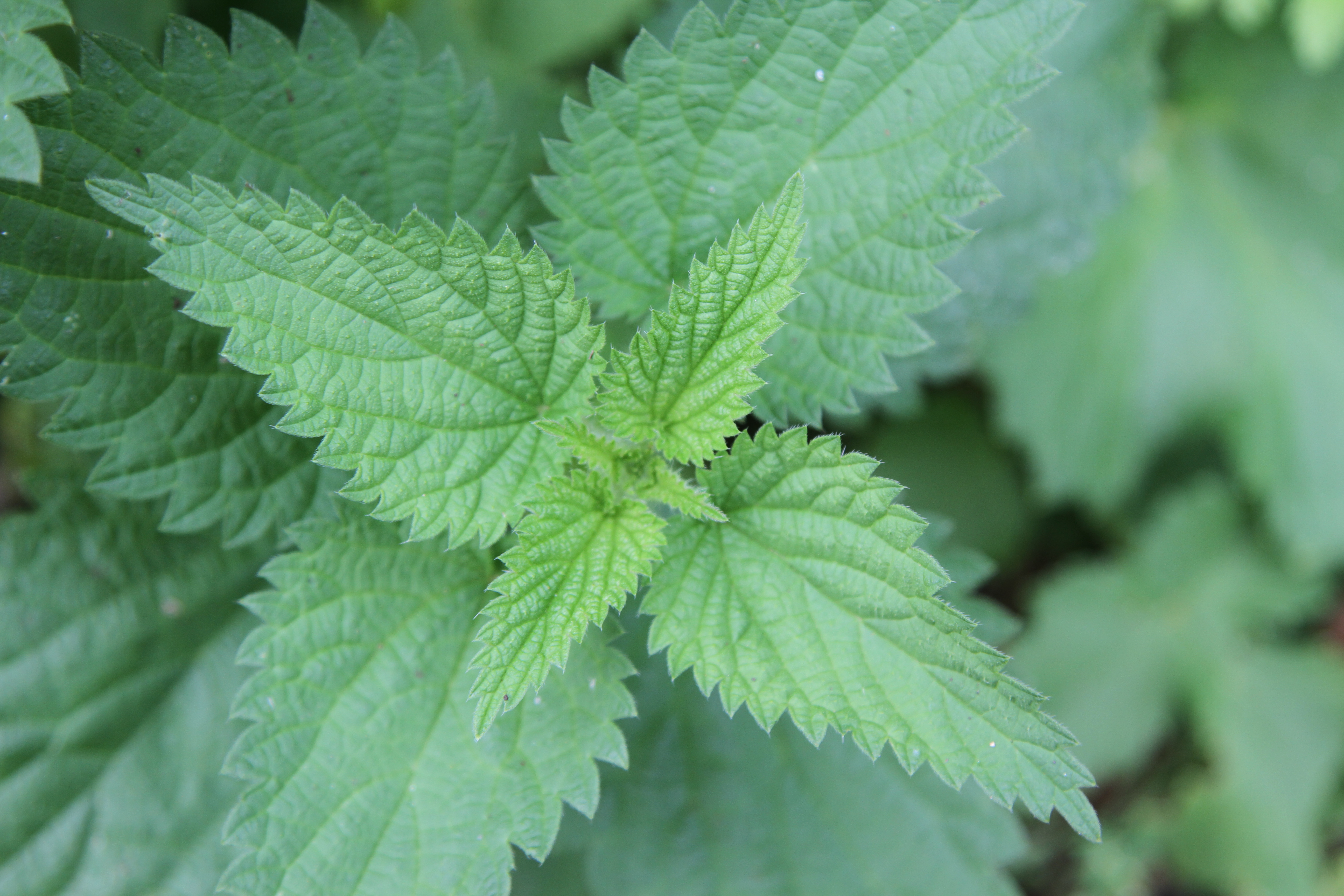

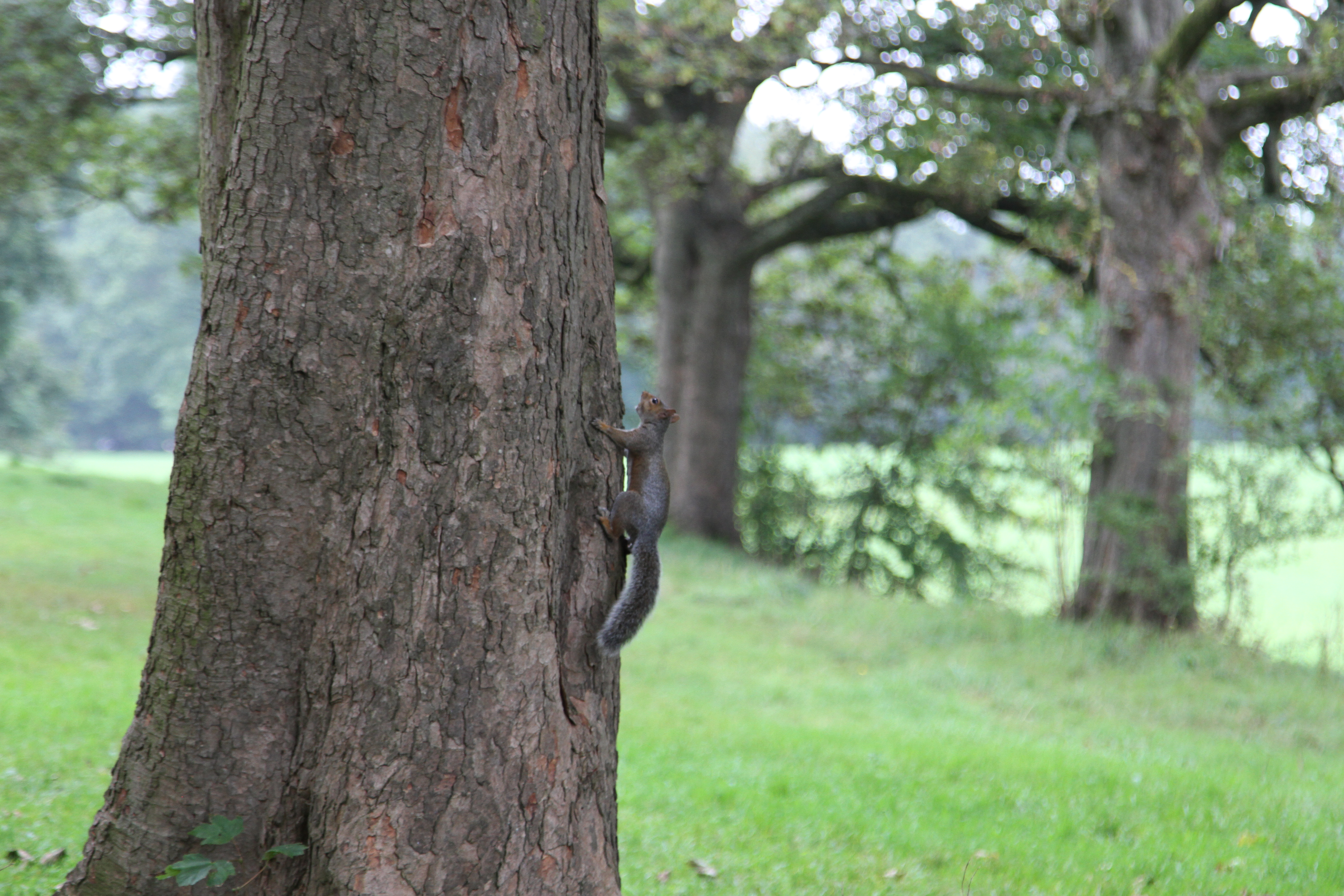
We encountered a fork in the path. Perhaps symbolising choices in life. Some are crucial, some are more trivial. Difficult moments. Regretful moments. A little time to think about choices.
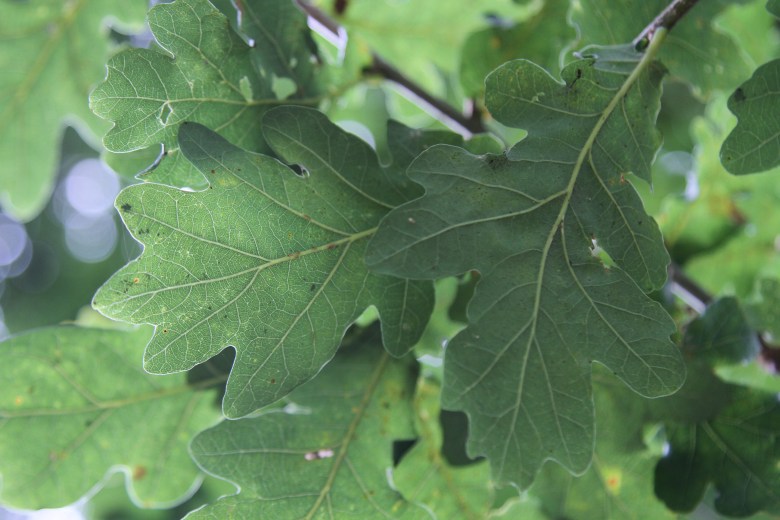
The Road Not Taken, by Robert Frost
Two roads diverged in a yellow wood,
And sorry I could not travel both
And be one traveller, long I stood
And looked down one as far as I could
To where it bent in the undergrowth;

Then took the other, as just as fair,
And having perhaps the better claim,
Because it was grassy and wanted wear;
Though as for that the passing there
Had worn them really about the same,

And both that morning equally lay
In leaves no step had trodden black.
Oh, I kept the first for another day!
Yet knowing how way leads on to way,
I doubted if I should ever come back.

I shall be telling this with a sigh
Somewhere ages and ages hence:
Two roads diverged in a wood, and I-
I took the one less travelled by,
And that has made all the difference.

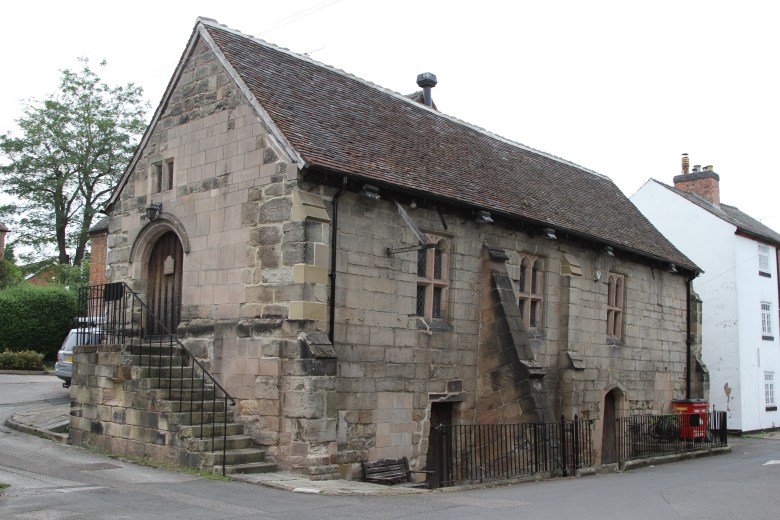
All that is left of the Augustinian Abbey of St Mary (1146) is the Abbots guest house. A reminder of the need we have to give hospitality. We try and imagine this as a haven of peace. Abbeys were an essential part of medieval life: wealth, industry, agriculture and learning. It is a paradox: a tension between tradition of exploring, pilgrimage and movement of ideas and need for rhythmic structures and framework. How important it was to ‘abide’. To stay in one place. And that enabled the great gift of hospitality. Medieval life was a struggle and monastic life gave stability and structure to a period of confusion. Can this speak to us in the confusion and change of our time? Can we provide structure and stability so that we can offer hospitality and security? Are we people of locality?
We arrive at the bridge over the Derwent. The river is a resource, water, a source of power and a route. Think about the bridges that connect. One place to another. To enable people to come together. Think about our bridges.
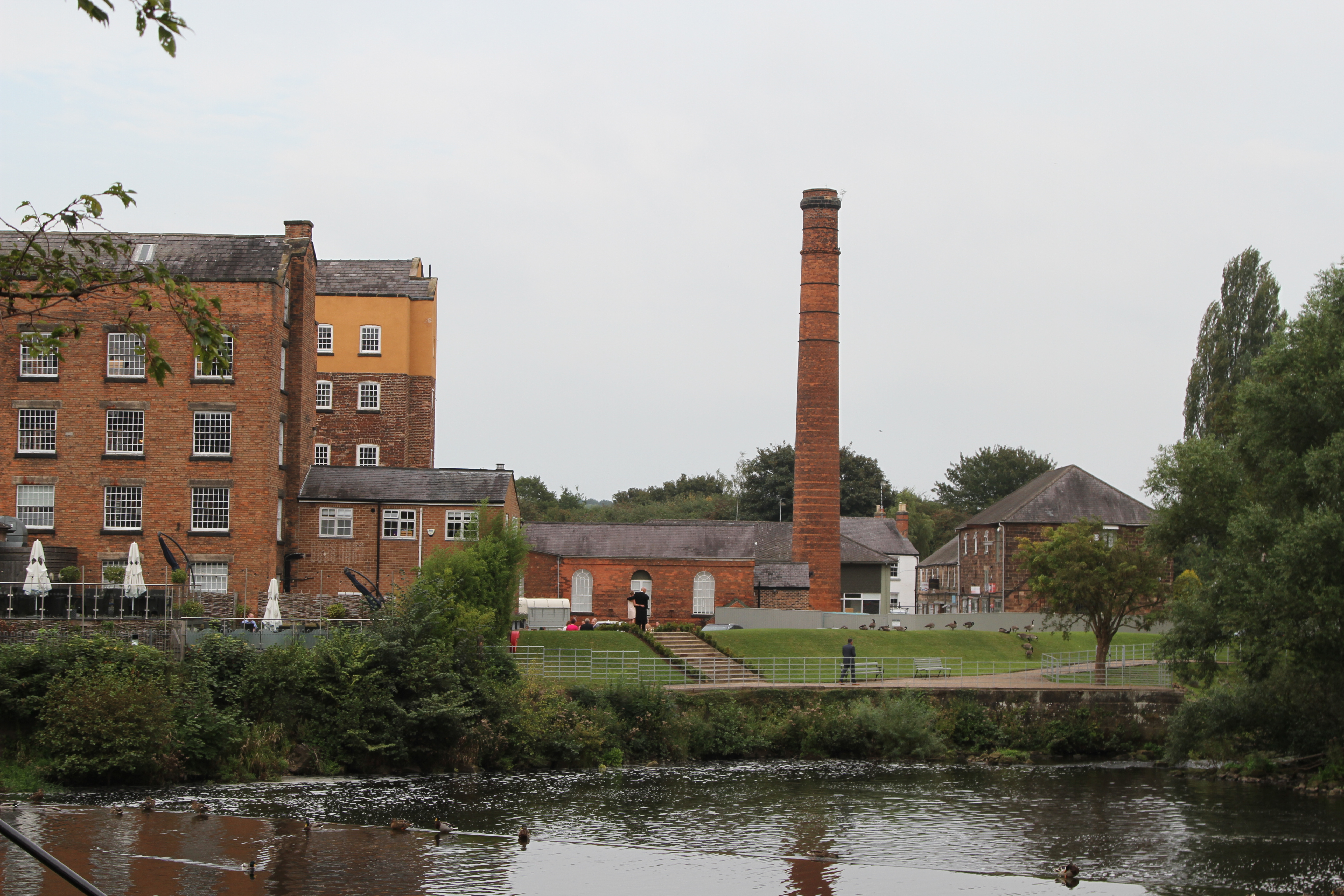

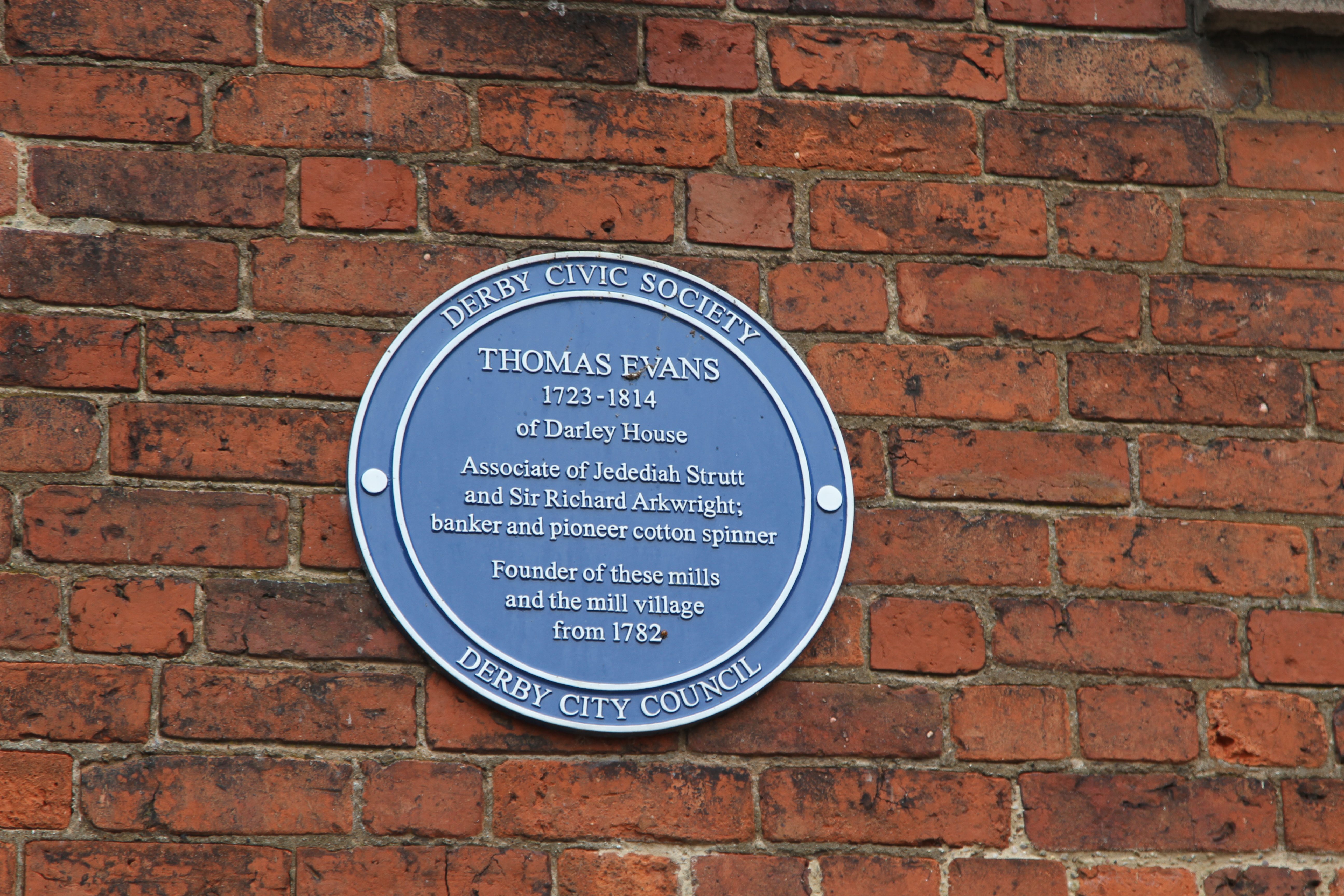
Darley Abbey Mills – Thomas Evans Cotton Mills
Pilgrimage is a rediscovery of “the story”. The Mills and village built for the workers are part of Derby’s story. For some it was a story of wealth and prosperity. For others it was the devil’s work: degradation and exploitation.

Jerusalem, by William Blake
And did those feet in ancient time.
Walk upon England’s mountains green:
And was the holy Lamb of God,
On England’s pleasant pastures seen!
And did the Countenance Divine,
Shine forth upon our clouded hills?
And was Jerusalem builded here,
Among these dark Satanic Mills?
Industry is a neutral word. There were good and bad mill owners. Local industrialists have often benefited society. But it is often difficult to recognise that Sunday and Monday are linked. We reflect on work. How do we spend each day? How do we use our skills and resources? How much of a gap is there between work, our calling and our worship? We remember that there are still places where labour is cheap and people are not valued.
We stopped at a point where a stream was diverted in the past. This was a chance to reflect on decisions and their implications. For whose benefit do we manipulate the landscape?

Not much is left of the Roman town of Derventio Coritanorum. A fort which moved from a high defensive west-bank site to this site on the east bank where a prosperous settlement developed, supported by the fort.
Linking us back across the Derwent river is the old railway bridge called Handyside bridge. We thought how domestic life needed to be paced around the railway. For example washing and drying clothes next to the passing steam trains. We recalled the history of the first refrigeration systems on ships. These were produced at the local Haslam foundry and completely transformed our food system: for the first time ever we could now import perishable foods from Australia.

On re-entering the city we reflected. We’ve walked past a lot of beauty and nature and now we face the ordinary humdrum of urban life. We often see cities as places of squalour and struggles, but the concept of a city is often linked to the kingdom of God – the new Jerusalem. Cities, too, are part of life, a part of our creation. We reflect on the basic and hard life in villages in Umbria that Francis’ would have seen. We see the urban cityscape now. What beauty is here? Is there anything to surprise you?

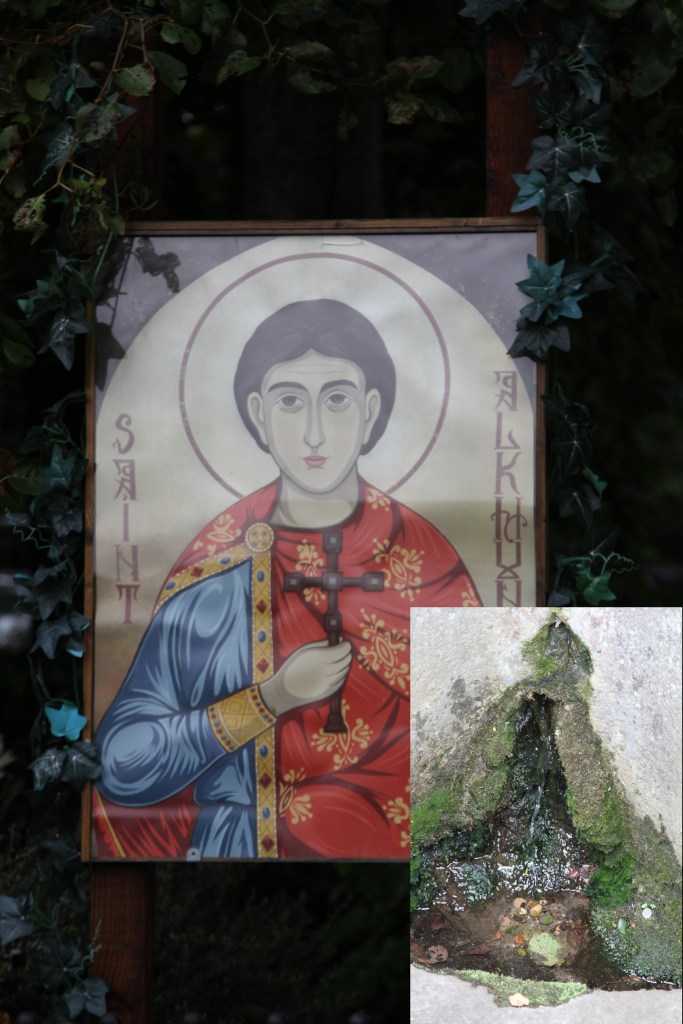
On our route to St Mary’s Bridge Chapel we stop at St Alkmund’s Well. The well is medieval. Located at the edge of two settlements. Alkmund was a royal prince of Northumberland, said to be a fine Christian ruler who served the poor. He was killed by his father’s enemies and he is remembered as a disciple of St Chad. Perhaps the well was a local place of pilgrimage. Perhaps it was just a good water supply. Wells are an important part of human history and culture. They are meeting places. Places where strangers meet and talk. We recall Jacob’s well, the Samaritan woman at the well and so on. Water plays an essential role in our societies today. It is still a problem for many villages and we think about the tensions that exist over water supplies. Water can be full of power and can have a destructive nature, but it is life-giving too and we give thanks for it and remember those places where water resources are lacking.
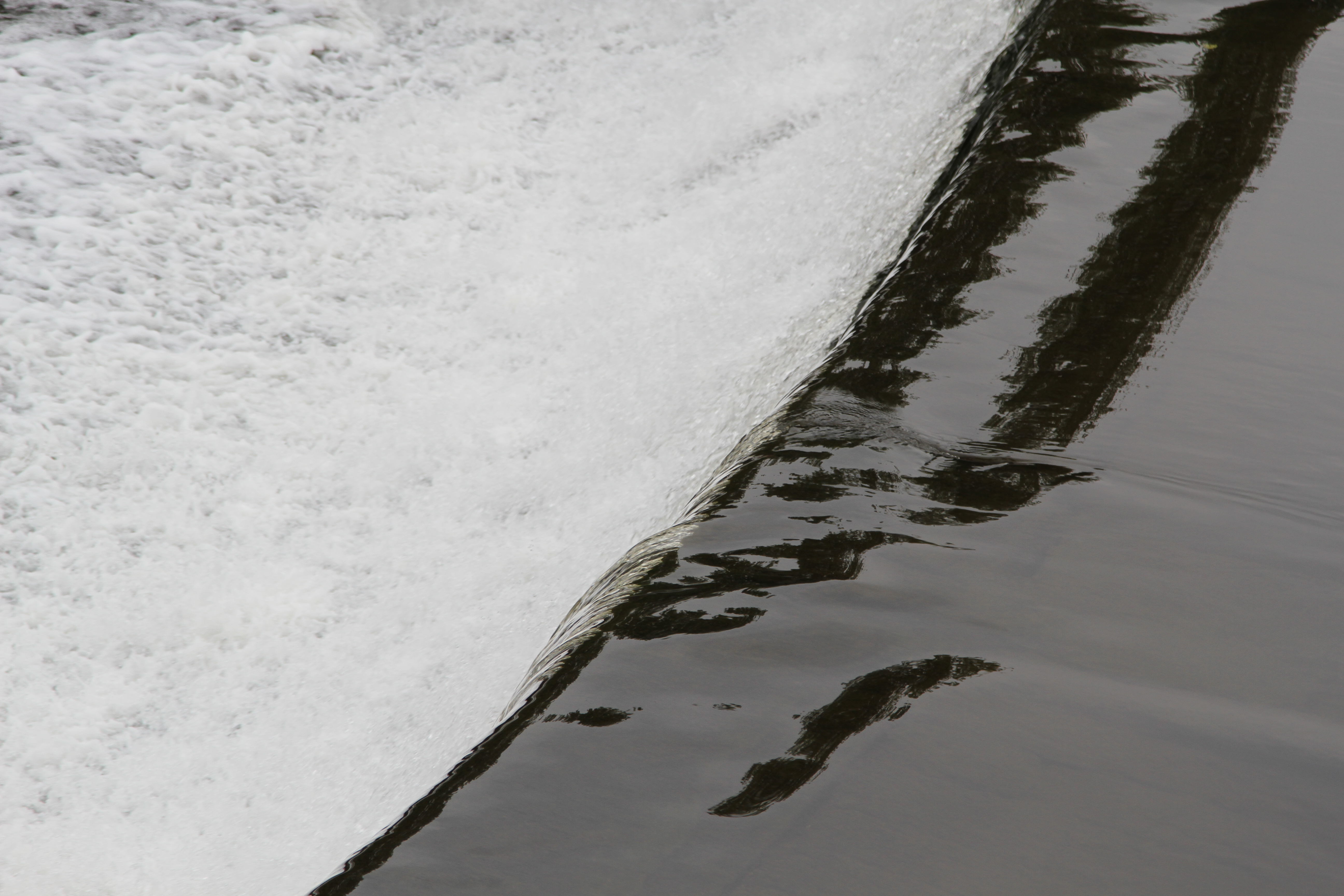
The river has dominated our walk. We consider the image of the city with the river in Revelation 22: “On either side of the river is the tree of life with its twelve kinds of fruit, producing its fruit each month; and the leaves of the tree are for the healing of the nations.”
St Mary’s Chapel on the Bridge


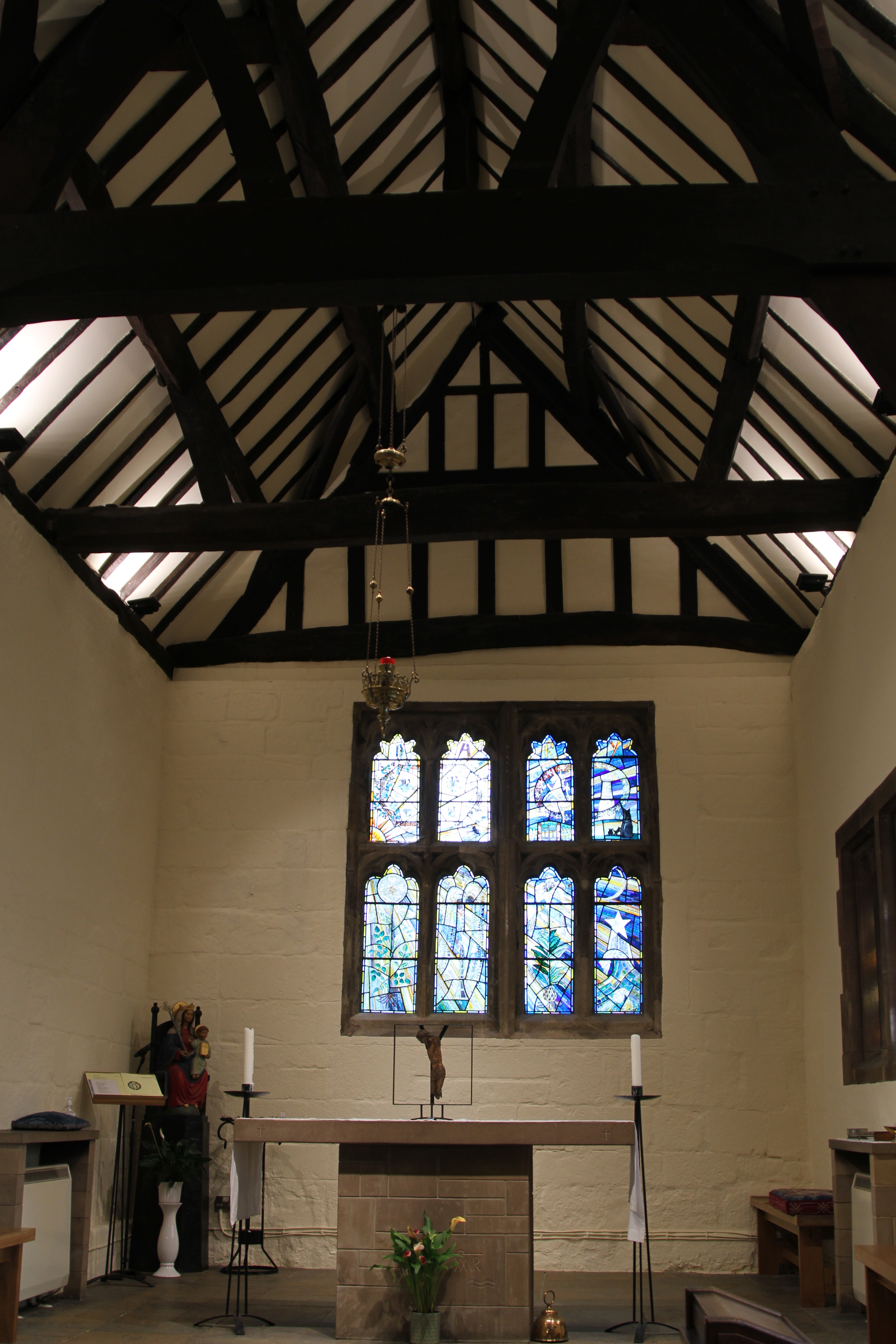
We entered St Mary’s Chapel on the Bridge as pilgrims. We have heard and seen something of the story of this area. Our story, the community story, God’s story. This is a time to reflect on what we have seen, what has upset us, what has delighted us. What we have learnt, what we have shared. What we regret.
We reflect on what we’ve seen, reflect on creation
Bless to us, O God,
the earth beneath our feet.
We reflect on our story, the story which we are part
Bless to us, O God,
the paths on which we tread.
We walk with others, we live in communities, maybe we enable them
Bless to us, O God,
the people with whom we share. Amen.
A Reading (The last stanza from T S Elliot’s ‘Little Gidding’)
We shall not cease from exploration
And the end of all our exploring
Will be to arrive where we started
And know the place for the first time.
Through the unknown, unremembered gate
When the last of earth left to discover
Is that which was the beginning;
At the source of the longest river
The voice of the hidden waterfall
And the children in the apple-tree
Not known, because not looked for
But heard, half-heard, in the stillness
Between two waves of the sea.
Quick now, here, now, always—
A condition of complete simplicity
(Costing not less than everything)
And all shall be well and
All manner of thing shall be well
When the tongues of flame are in-folded
Into the crowned knot of fire
And the fire and the rose are one.
Receiving and reflecting on the pilgrim ‘token’ of this day (pilgrim badges or tokens were common in the later medieval period and were a souvenir of the pilgrimage often worn on the return leg and then kept, some made of lead others of natural materials such as shells)

“I am a feather on the breath of God” (Hildegard of Bingen)
Closing Prayers
Spirit and Wisdom riding the circles of air,
you hold all things in one living embrace.
Your wingtips brush the heavens,
and feather the earth with showers of blessing,
passing like the wind through all creation.
May we like Hildegard get caught up in
the vision of your kingdom
and by the breath of your Spirit
may our eyes be open to glimpse your glory

For our riches this day:- Be praised, my Lord
For our mistakes this day:- Be praised, my Lord
For our opportunities this day
   and in all our tomorrows:- Be praised, my Lord
For our homes this day:- Be praised, my Lord
For our neighbourhoods this day:- Be praised, my Lord
For our relationships this day
   and in all our tomorrows:- Be praised, my Lord
For our thoughts this day:- Be praised, my Lord
For our fears this day:- Be praised, my Lord
For our hopes this day
   and in our actions to come:- Be praised, my Lord

May the Lord bless us and keep us.
May the Lord make his face to shine upon us,
and be gracious to us.
May the Lord lift up his countenance upon us,
and give us peace.    Amen
Note: Many thanks to Sheana for organizing and leading the walk and for preparing this resource.

Photo credit for all photos: Gervas.
The text of the Laudato Si’ Encyclical is available here.
 Living Laudato Si'