
A sustainably managed woodland provides a home for many plant and animal species, absorbs carbon dioxide from the air and produces good quality wood for us to use.
We’ve previously looked into how much carbon dioxide a tree can remove from the air: about 50% of the mass of dry wood is carbon and this represents about 3.7 times that mass of atmospheric carbon dioxide. So if you use 100 kg of dry wood for a building project then that contains about 50 kg of carbon and this is equivalent to 183 kg of carbon dioxide removed from the air during its growth.
If our wooden building lasts longer than the time taken to grow the wood in the first place then this building is sustainable. In effect our building locks away carbon dioxide from the atmosphere. Our managed woodland can genuinely act as a carbon sink taking more carbon dioxide out of the air over the long term.
Long-lasting wood projects using wood from sustainably managed woodland give us healing hope: a small step forwards to protecting our woodland habitats and a small step forwards at fixing our climate. Biodiversity and decarbonisation in one.
Timber is usually categorised into softwoods and hardwoods. Look for the FSC (Forest Stewardship Council) certification to ensure the wood is from sustainable forests. Softwoods available in the UK are mainly Spruce, Pine and Fir. Much of it is imported from plantations in Scandinavia. Softwoods typically come from fast growing conifers. Softwoods can be used for many structural timber applications in house construction. Hardwoods are more expensive, have a great visual appearance and are generally more hard-wearing. When choosing hardwoods be careful not to import tropical hardwoods from tropical rainforest clearing. There are plenty of UK, European and North American hardwoods from carefully managed forests. Hardwoods come from slower growing deciduous trees and the best forest management practices will fell a mature tree and leave the surrounding woodland unaffected to limit the damage to the surrounding biodiversity. UK and European hardwoods include Oak, Birch, Ash, Cherry, Walnut and Beech. To find out more about how forests are managed in England see here or look here for forest management in Scotland.
See also our reference articles on how much carbon is stored in a tree https://livinglaudatosi.com/plant-a-tree-technical-reference-1/ and what area of woodland we would need to balance our emissions https://livinglaudatosi.com/plant-lots-of-trees-technical-reference-1/
Do you have examples of your own successful building projects using wood? Leave us a comment below…

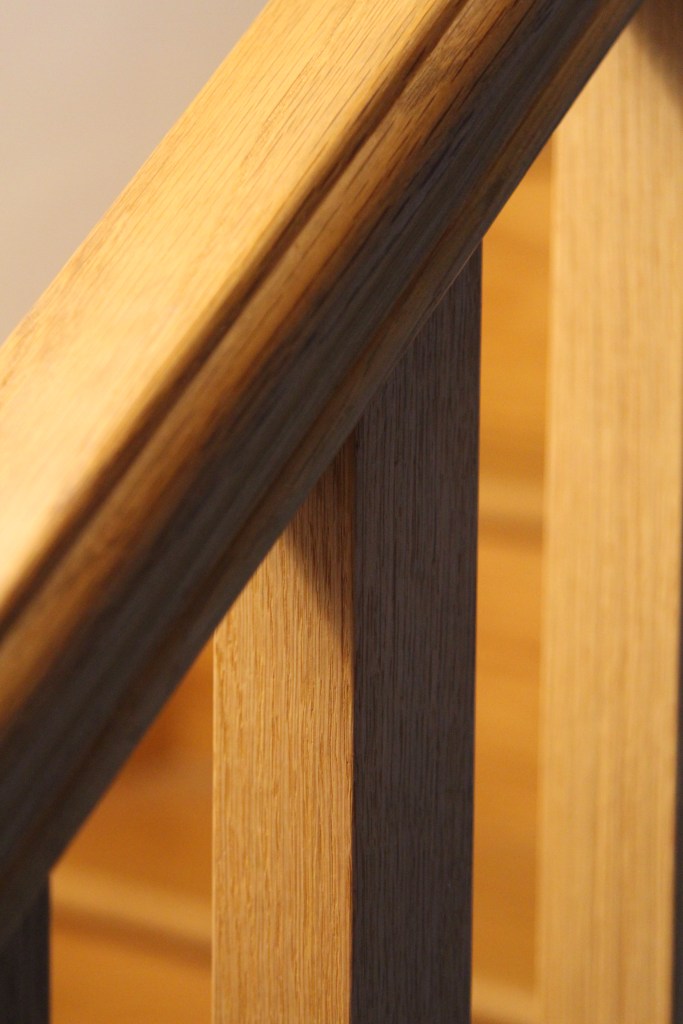

Photos by Alicja Pyszka-Franceschini
 Living Laudato Si'