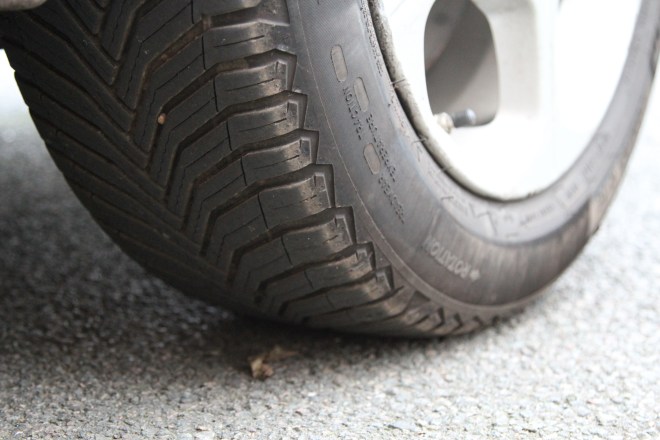
Looking at the road surface close to traffic lights and stop signs it is relatively easy to notice tyre marks. Sometimes the asphalt is decorated with rubber stripes. These are the result of extreme tyre wear from harsh accelerations. When we talk about accelerations, we are talking about vehicles slowing down, speeding up or even cornering: all of them rely on large forces to change the velocity of the vehicle. The heavier a vehicle becomes, or the greater the change in speed or cornering direction, the greater the forces are required to make that change in movement. The forces are all transferred between the vehicle and the road through the tyre contact patch, illustrating how critical the tyre is for vehicle handling and safety. When we over-stress that contact patch we can wear the tyre more. In extreme cases we can get tyre slipping and wheel spinning or wheels locking up and sliding and enough rubber material left on the road to visibly see the tyre marks.
There are benefits for fuel economy too. Studies that only look at the acceleration phase appear to show that harsh accelerations use less fuel but this is because the time taken in the acceleration phase is shorter. Looking at it from the perspective of the overall journey changes the conclusion to favour the slower acceleration.
Energy needs to be used to overcome rolling resistance (which is approximately constant with speed) and air resistance or aerodynamic drag (which increases with the square of speed). So one of the most effective ways of reducing energy is to reduce speeds. Spending less time at those energy-hungry speeds will be more environmental and cost effective.
In an internal combustion engine vehicle, efficiency of the powertrain also comes into the equation. An acceleration where the engine is operating closer to its most fuel efficient point will also help (essentially keeping the engine revs down to a sensible band through smoother accelerations and gear changes). Many hybrid cars help on this by allowing the engine to operate at a constant fuel efficient setting and then allowing the electric motors to propel the vehicle forward.
Energy wastage in harsh braking is evident with the heat generated at the brakes. Regenerative braking helps to recover some of this energy.
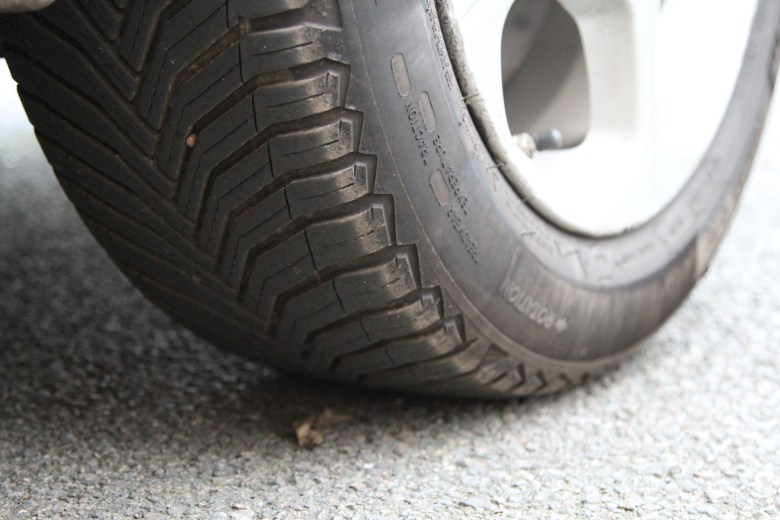
If you are interested in tyre wear then you may also be interested in our case study on material consumption related to tyres. Driving style is one of the ways we can help our tyres last longer and reduce the size of the tyre waste mountain (the other two ways are to regularly inspect and check your tyre pressure, and select longer lasting tyres when we need to purchase replacements).

 Living Laudato Si'