Think double glazing is all the same? Think again. Spending a bit more on a better thermal specification can pay back over many years. Did you know that triple glazing is available and affordable?
Changing your windows? If you are then you may find that requesting better energy efficiency (thermal performance) than standard is worthwhile.
The additional cost of a higher specification may be repaid through lower heat loss year after year.
Windows and doors contribute disproportionately to heat loss in a property. Notice how most modern dwellings have smaller windows than properties from fifty years ago? More heat loss means more heating is required to maintain a comfortable indoor temperature and this costs more. Using more energy also means higher carbon emissions, whichever heating type or energy is used.
Heat loss may be due to conduction through the glass and frame and also through draughts and air leakage. A certain amount of fresh air (air changes) are required to maintain healthy air quality in living spaces (ventilation) but too much reduces comfort levels and increases bills for no reason.
When selecting windows it is quite good to consider energy efficiency as well as how long the window is expected to last (to help reduce our consumption of materials over the long term). Buying to last means it is sensible to consider best in class thermal performance too.
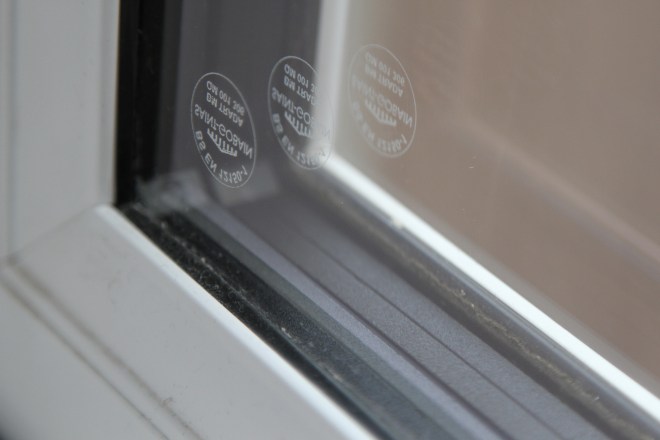
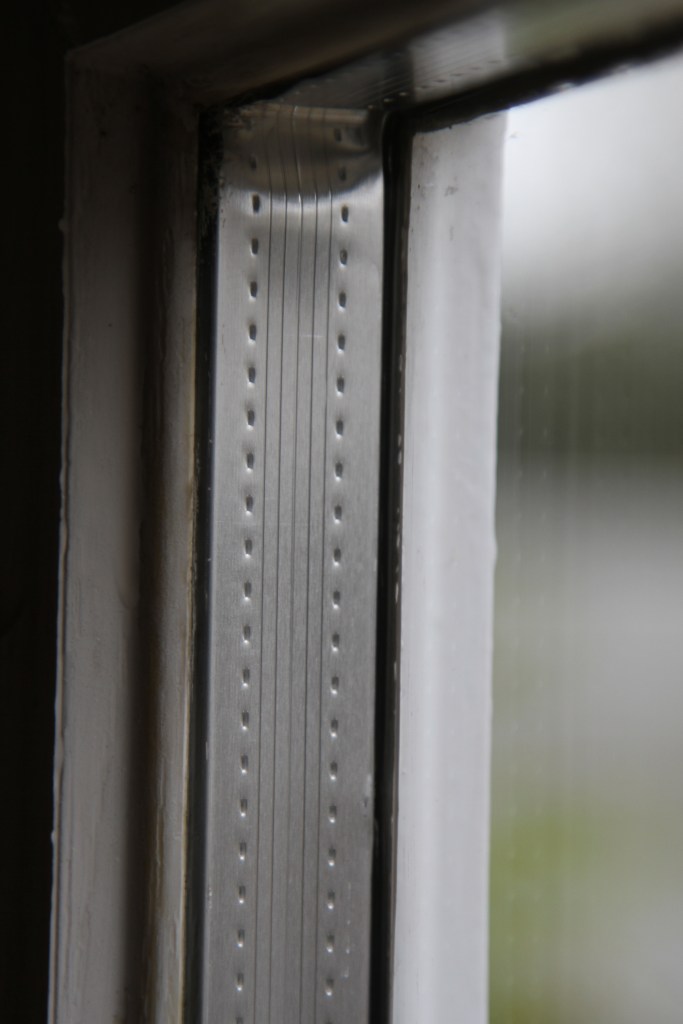
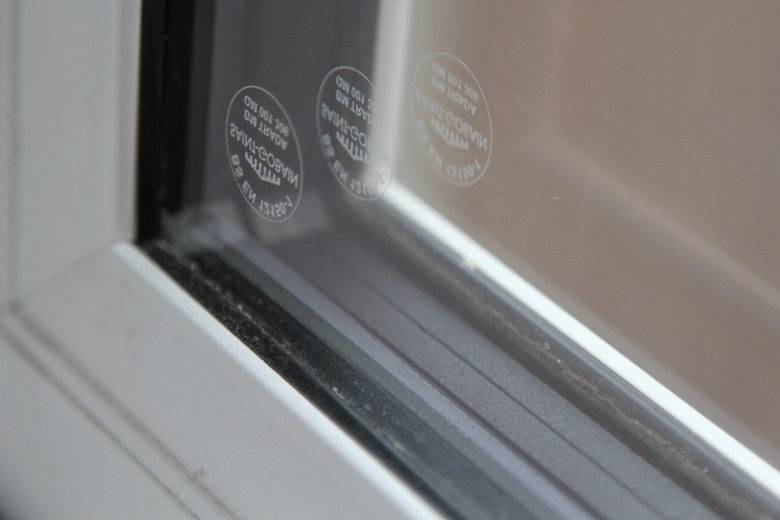
A standard double glazed window is made up from two panes (or sheets) of glass separated by a gap. The glass panes are held together on their outside edge by a spacer. The glazing unit is mounted into a frame (wood, aluminium, plastic) to complete the window. The glass sheets are made from a specific glass composition (different manufacturers may have different ones) and these are often coated for improved performance (some must be installed in one direction so that the coatings face the right way). The spacer may be made from a thermal insulating material to reduce thermal bridging (heat loss around the edges). You might see that older double glazing has silvery aluminium edging if you peer through the glass towards the frame (more modern ones may look black). The gap between the frames may be filled with an inert gas like argon instead of air to reduce the heat loss. Finally the frames may be designed to cut down on heat loss through different layers possibly incorporating an insulator or incorporating different air chambers or pockets. When looking at U-values there will be a mid-pane U-value looking at the glass-gas-glass thermal performance and an overall U-value taking into account the spacer and frame too. The overall U-value tells us how that whole window is expected to lose heat in winter. Lower U-values mean lower heat loss (better). It may be possible to improve thermal performance substantially simply through reglazing existing windows if it is desired to keep the frames (it might not get the best thermal performance if old frames are being re-used, but it does cut down on waste and cost and could be a good compromise to think about). Triple glazing is also available and this glass-gas-glass-gas-glass can give superior performance for limited additional cost. When thinking long-term about bills and carbon emissions this may be the best option. There’s an added benefit too: some triple glazing units are really good with cutting down noise.
Here are some worked examples for the savings (including greenhouse gas emissions) for a window of 1m2 area (1m x 1m).
| Examples for a window 1m x 1m | Basic Single Glazed Window | Basic Double Glazed Window | Energy Efficient Double Glazed Window | Energy Efficient Triple Glazed Window |
|---|---|---|---|---|
| Glass | 1 x standard glass | 2 x standard glass | 2 x low emissivity coated glass | 3 x low emissivity coated glass |
| Gap | None | Air | Argon | Argon |
| Edge | None | Aluminium | Insulative | Insulative |
| Frame | Solid Wood | uPVC | uPVC | uPVC |
| Window U-value | 4.8 | 2.0 | 1.4 | 0.8 |
Heat loss  when 0°C outside and 20°C inside when 0°C outside and 20°C inside | 96 | 40 | 28 | 16 |
| Approximate annual heat loss (kWh/year) | 460 | 192 | 134 | 77 |
| Assuming Gas Central Heating | 90% boiler efficiency | 90% boiler efficiency | 90% boiler efficiency | 90% boiler efficiency |
| kWh/year | 510 | 210 | 150 | 85 |
| £/year | 32 | 13 | 9 | 5 |
| kgCO2e/year | 109 | 45 | 32 | 18 |
| Cost | 0 (not new) | c.£400 | c.£440 | c.£530 |
| Notes | Likely to have draughts in addition | Cheapest double glazing around £300-400 excluding fitting | Costs around 10% more than cheapest double glazing | Costs around 20% more than similar double glazed unit |
Selecting the more expensive energy efficient options compared to the standard double glazed units will pay back financially after 10-15 years. As windows last longer then this is a good investment. In fact the investment is strong in greenhouse gas emissions terms.
To understand how U-values work and how to calculate them simply, have a look at our reference page on calculating U-values. Centre-pane U-values are calculated easily. U-values for windows need to factor in the conduction through the frame as well as the glass.
 Living Laudato Si'