
What is Green Energy?
We are often referring to electricity produced from renewable sources: Wind, Solar, Tidal, Wave, Hydroelectric, Biomass.

How do emissions come from traditional electricity generation?
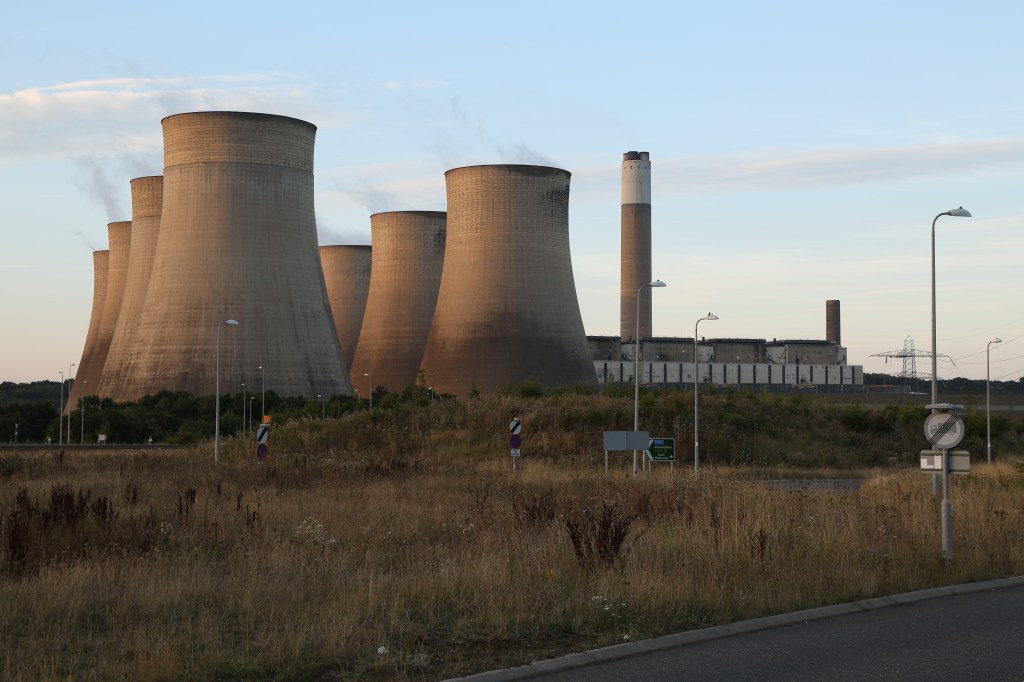
A large proportion of greenhouse gas emissions that contributes to climate change is from electricity generation or activities associated with electricity generation. Taking a gas fired power station as an example, the burning of natural gas (methane) for electricity generation also produces carbon dioxide emissions. This is what is called direct emissions at the power station. The fuel (in this case gas) needs to be extracted and transported to the power station before it can be burnt to generate electricity. Emissions from extraction and transport of the fuel are often called Well-to-Tank emissions and are an important and significant indirect emissions source. The electricity must be distributed to customers via power lines over long distances and some of the electricity is wasted as heat (often called grid losses). The power station construction project including the manufacture of all its parts (and any ongoing operations to maintain it during its lifetime and ultimately also its decommissioning) may have released large quantities of greenhouse gas emissions too. These emissions are also significant indirect emissions. All these emissions contribute to increased levels of greenhouse gases in the atmosphere and drive climate change. Adding up all the direct and indirect emissions over the lifetime of the power station allows a lifecycle emissions value usually in gCO2e/kWh (grams of carbon dioxide equivalent emissions per kilowatt hour electricity generated) to be calculated and compared.
How does Green Energy help with slowing climate change?
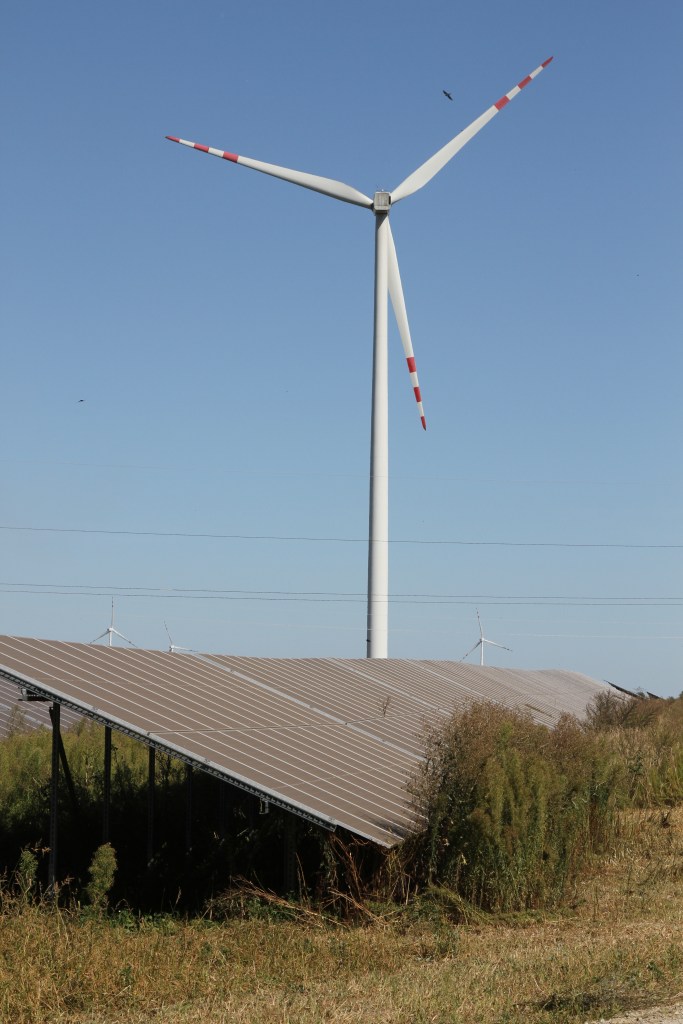
With a wind farm, for example, there are no direct emissions and there are no Well-to-Tank emissions since the fuel is the wind. However there are still grid losses and emissions from manufacture, construction, maintenance and eventual disposal must be accounted for. The lifecycle emissions for wind power in gCO2e/kWh may also be calculated and compared.
Many studies have assessed the lifecycle emissions for various electricity generation technologies and these are conveniently compared in the IPCC report from 2014 (see table). Variations exist due to power station efficiency, location, fuel and differences in operation but the conclusion is clear: renewable electricity generation is a step change reduction in emissions and absolutely necessary to lower global emissions and slow climate change.
| Option | Median Lifecycle Emissions (gCO2e/kWh) | Range of Lifecycle Emissions (gCO2e/kWh) |
|---|---|---|
| Coal | 820 | 740 – 910 |
| Gas | 490 | 410 – 650 |
| Biomass | 230 | 130 – 420 |
| Geothermal | 38 | 6 – 79 |
| Hydro | 24 | 1 – 2200 |
| Nuclear | 12 | 3.7 – 110 |
| Solar PV (Rooftop) | 41 | 26 – 60 |
| Solar PV (Utility) | 48 | 18 – 180 |
| Wind (Onshore) | 11 | 7 – 56 |
| Wind (Offshore) | 12 | 8 – 35 |
How can we help to encourage more Green Energy to be built?
Asking our energy provider to supply Green Energy is the first step. But how do we know if it is really helping build new renewable generation capacity on the grid? The answer to this depends on the country you are in. In the UK, there are three types of energy supplier who can supply Green Energy: those who supply both green and non-green tariffs, usually larger suppliers; those who supply green tariffs only with the help of REGOs; those who supply green tariffs only with the help of PPAs. The distinction between the three is important. In the UK to prove you have bought green energy, your supplier will back up the purchase with a Renewable Energy Guarantees of Origin certificate (REGO). A renewable generator will be able to sell a certificate for every 1MWh (1000kWh) of renewable electricity generated. Suppliers can purchase REGOs separately from their purchase of electricity. A large supplier will be purchasing large quantities of electricity from many sources, both renewable and non-renewable: they could very easily sell green electricity to those on their green tariffs without doing anything new (you could call it an accounting trick – where those on the non-renewable tariff have slightly more fossil fuels in their mix to allow those on their green tariffs to have only renewables). Purchasing green energy from these suppliers is unlikely to directly incentivise the construction of new renewables capacity (unless so many of their customers choose green tariffs that they have to seek more renewable energy). Now those green suppliers using REGOs are able to purchase normal grid electricity and then purchase the REGOs separately, perhaps after the event, to prove that the electricity they supplied was from renewable generators. The flaw in the logic is that it is possible to buy average UK grid mix coming from a mix of generators (both renewable and non-renewable) and then separately purchase a REGO to retrospectively prove it was green. This trick would have cost under £1 five years ago to green 1000kWh (adding 0.1p/kWh to the unit charge) and is understood to be climbing a little to over £10 now (still not that much per unit at just over 1p/kWh when current price cap is 27p/kWh). Does this strongly incentivise new renewables construction? Perhaps, if the certificate cost increases more. The certificate cost should increase more if more customers move to green tariffs. The final small group of green energy suppliers, sometimes called deep green suppliers, have established Power Purchase Agreements (PPAs) directly with renewable generators (linking their REGOs to direct purchase contracts). These suppliers have long term contracts incentivising renewable energy generators to build new capacity because they show that there are customers who will buy their generation. Furthermore, these suppliers will be able to tell their customers exactly where their green energy comes from.
In the UK, if enough people choose REGO-backed green tariffs then this should send a signal to build more renewables. To send a stronger signal then look for green energy suppliers with PPAs with renewable generators or those generating their own renewable energy.
Renewables into the future
As we move towards the future, more renewables will be brought on to the grid and this is not without its own challenges. The grid has traditionally called on large power stations to fire up to meet demand. With more intermittent renewables connected this traditional model is changing. Currently there are gas fired power stations able to ramp up to meet fluctuations in output (spinning reserve) as well as pumped hydro storage that can be brought in to perform a similar task. In the future, there will be more grid-attached storage (batteries and the like), interconnectors to supply surplus renewable generation over longer distances from grid to grid and maybe demand-side (smart) compensation. There’s quite a bit of confidence in the industry that a renewables-based grid will provide for customers’ electricity needs and decarbonise the economy. Why not follow the progress with these two great electricity monitoring websites:
https://www.gridwatch.templar.co.uk/
https://app.electricitymaps.com/map/72h/hourly
 Living Laudato Si'