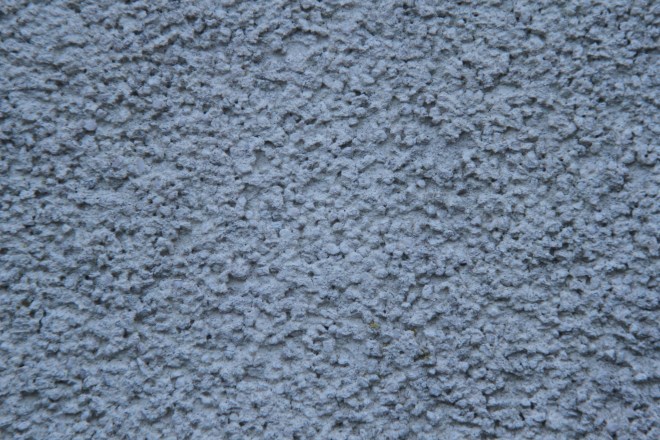
If you happen to need to re-render the external wall of your property then it is cost-effective and practically useful to add a layer of external wall insulation at the same time. The logic is straightforward: if the work is being done anyway then adding insulation will be the cost of the insulation itself plus a small amount for the extra labour to fix it in place. If the work covers more than 50% of a wall (described by regulations as a thermal element) or more than 25% of the external area of the building, then improved insulation is required by UK building regulations [see 11.3 of part L volume 1, link at end].
Examples
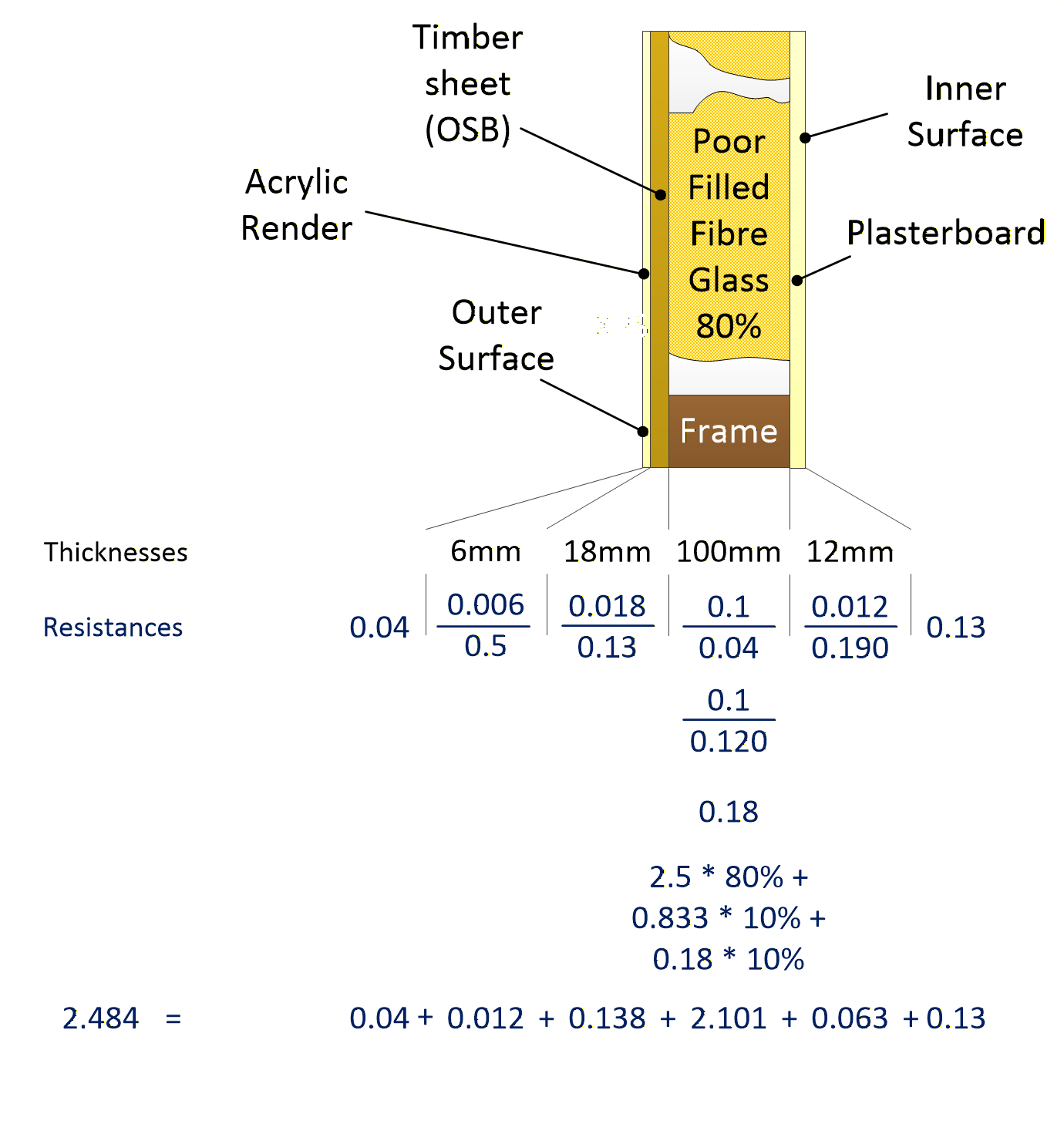
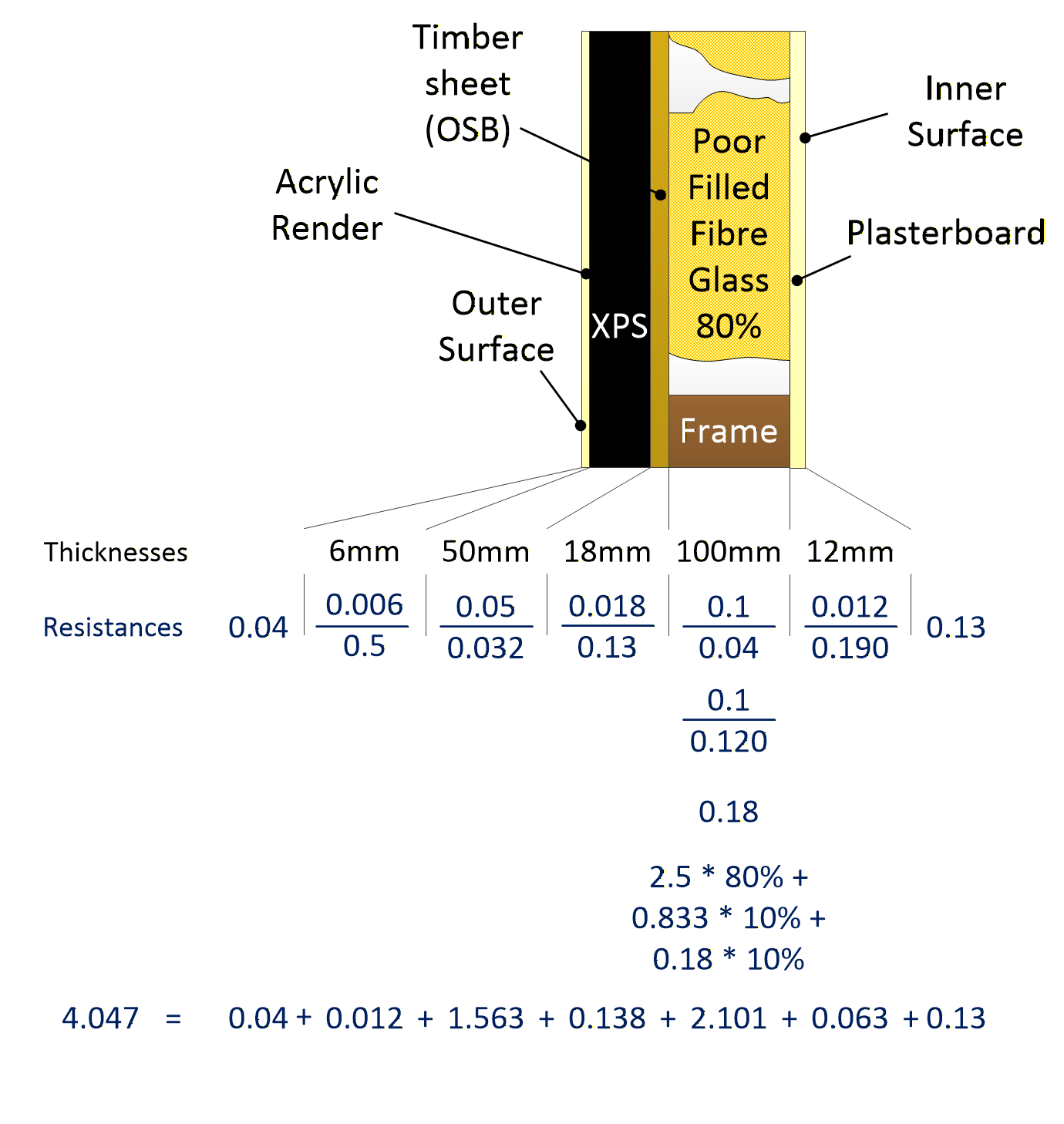
A: 50 mm expanded polystyrene insulation over a timber-framed wall changed the U-value from 0.40 to 0.25. See how to calculate U-values for more information. Even a small section can provide a useful benefit. For an area of only 10 m2, the new insulation will reduce the heat loss from 80 W to 50 W on a 0°C day (20°C indoors). This sort of reduction in heat loss might be expected to save around 144 kWh a year and 180 kWh of gas with an 80% efficient gas boiler, which on current average UK gas prices is around £10.70. Not bad for a small wall area. For the U-value calculation we’ve assumed the render layers above the expanded polystyrene can be approximated thermally as a single 6 mm acrylic layer (in reality it is likely to be an adhesive and mesh layer followed by a primer layer and then a relatively thin acrylic top coat).
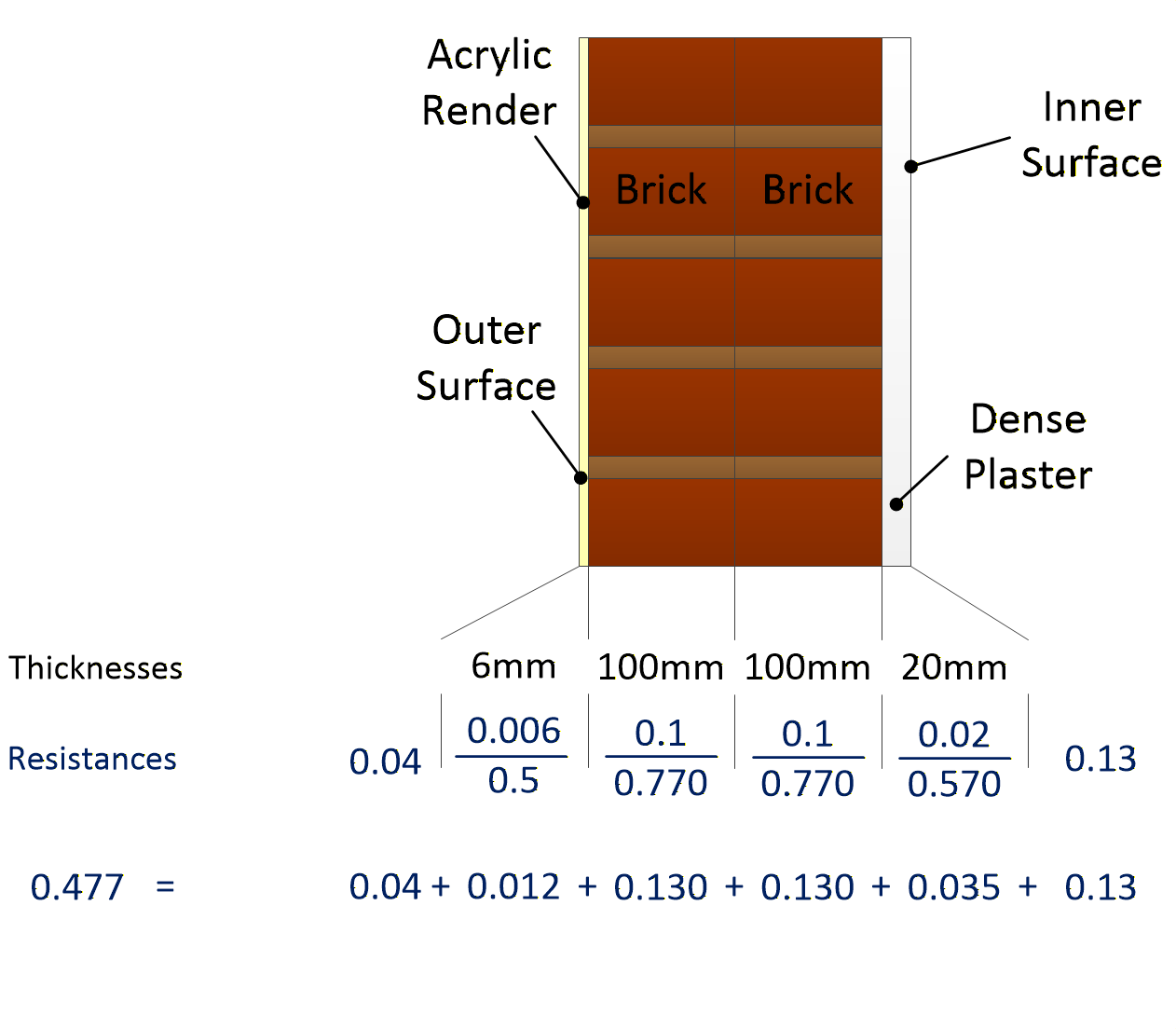
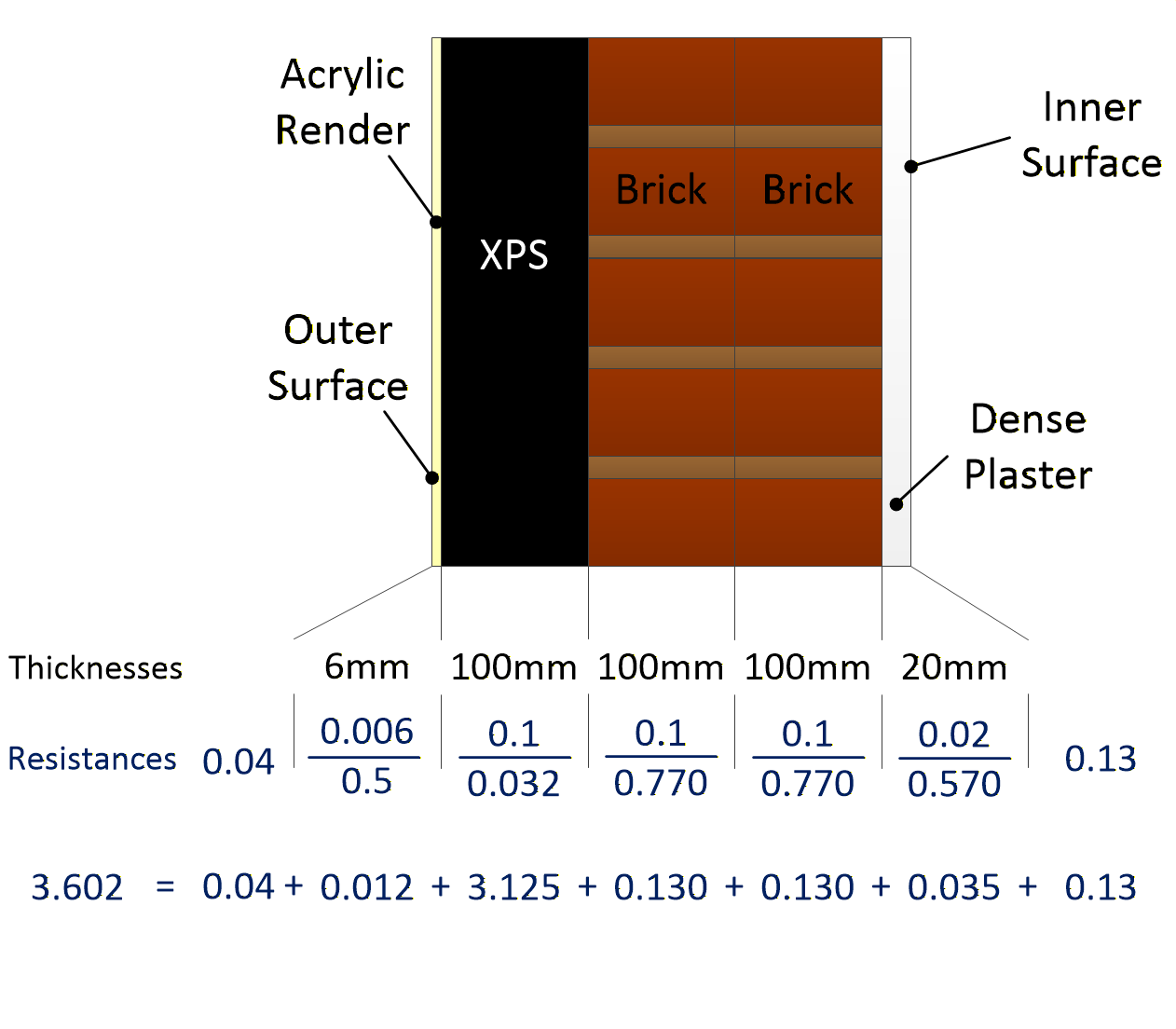
B: 100mm expanded polystyrene insulation on a rendered traditional solid wall (2 layer brick). Here the U-value is changed from 2.10 to 0.28. For 100 m2 of external wall area, the new insulation will reduce the heat loss from 4200 W to 560 W on a 0°C day (20°C indoors). This 3640 W reduction in heat loss might save around 17 500 kWh a year or 21 800 kWh of gas if using an 80% efficient gas boiler, which on current average UK gas prices is around £1300. Replacing the render without improving the insulation at the same time would be a costly mistake in this example.
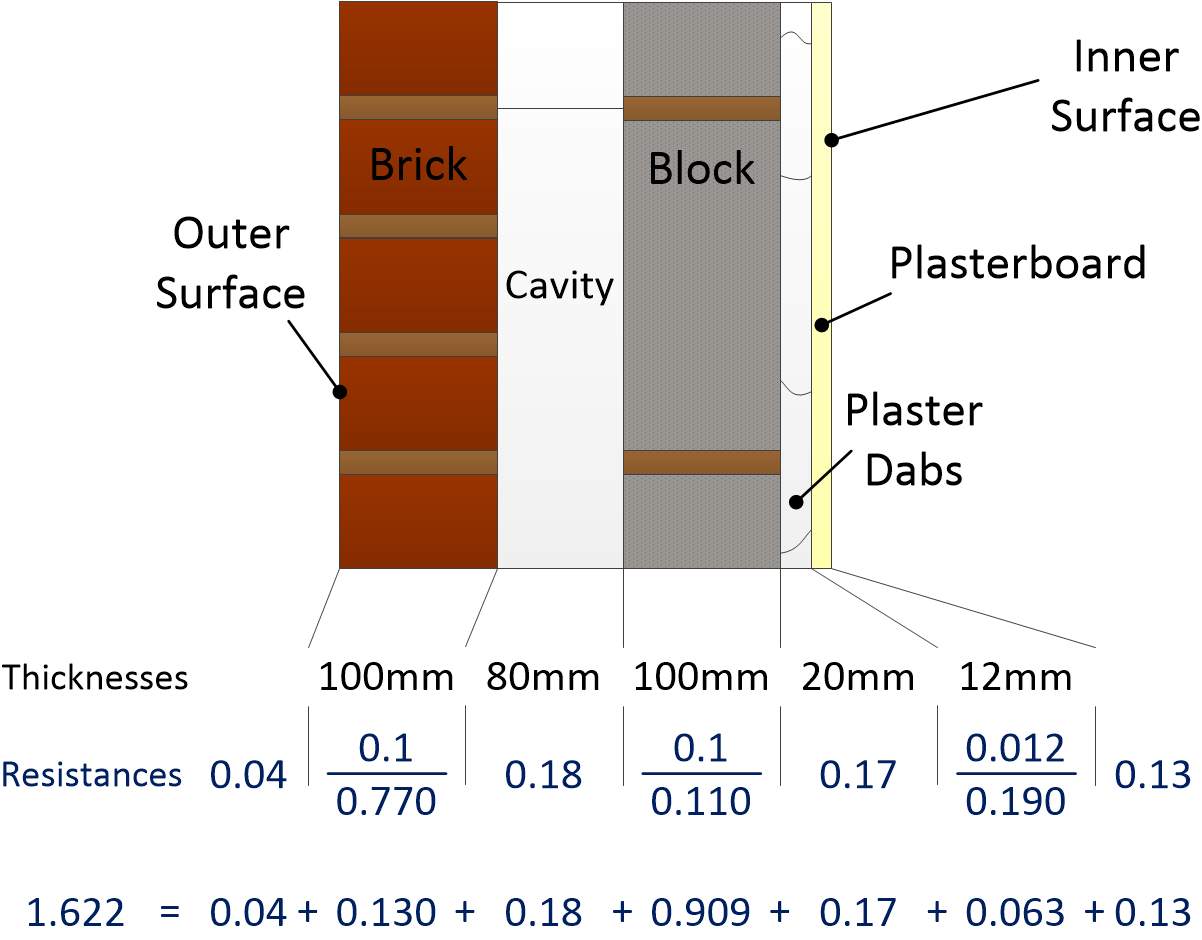
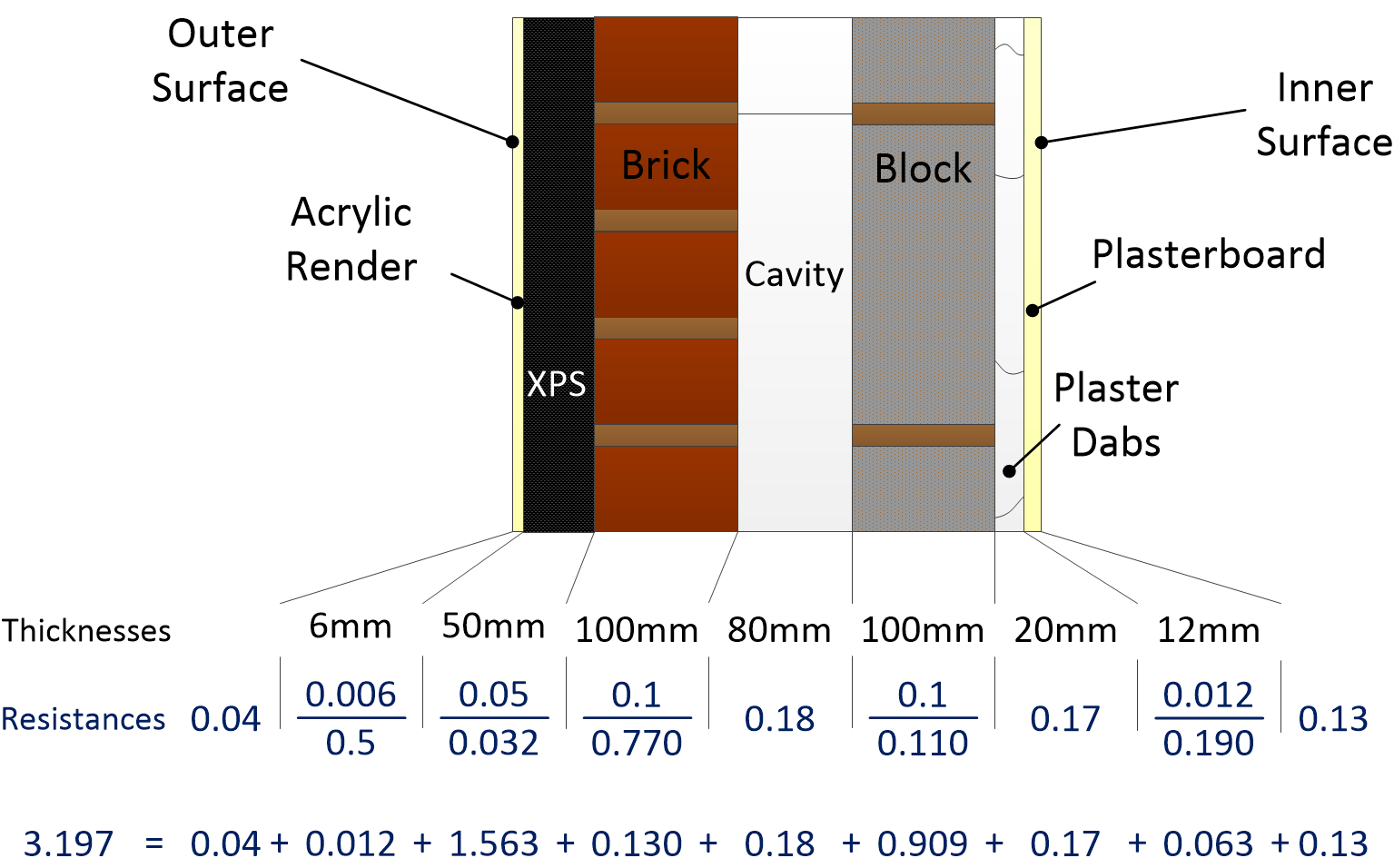
C: 50mm expanded polystyrene insulation on an uninsulated and unventilated cavity wall construction (see Example 4 from our U-value reference guide). The U-value change here is from 0.62 to 0.31, indicating a halving of the heat loss.
Further Reading
Livinglaudatosi insulation useful knowledge technical reference
UK best practice for external wall insulation from gov.uk
The Merged Approved Documents for UK building regulations from gov.uk – refer to part L volume 1, section 11 for specific guidance
 Living Laudato Si'