Nuclear Fusion is quite different from the similar sounding Nuclear Fission cousin. It is still obtaining energy from the atom. But this time it produces large quantities of energy from joining light atoms together like isotopes of hydrogen (by isotopes of hydrogen we mean different types of hydrogen that are different only because they contain a different number of neutrons, a tiny sub-atomic particle). Hydrogen itself is the lightest element of all. In fact, this fusion process is what gives our Sun its colossal energy that we rely on every day. Another plus is that there is sufficient fuel on earth for nuclear fusion to give us power for millions of years.
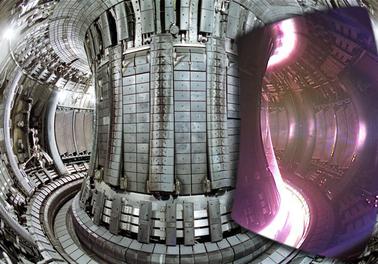
The problem is that it is difficult to get the right conditions for energy production on earth. Even containing a tiny bit of star using materials around us is a challenge. Governments and international research groups have spent large amounts of money developing the technology and we are still quite far away from a practical power producing product.
Maybe in the second half of this century we will begin to see Nuclear Fusion contributing to our electricity mix. In the meantime, we will need to decarbonise (slow and stop using fossil fuels) without its help. Watch this space!
 Living Laudato Si'