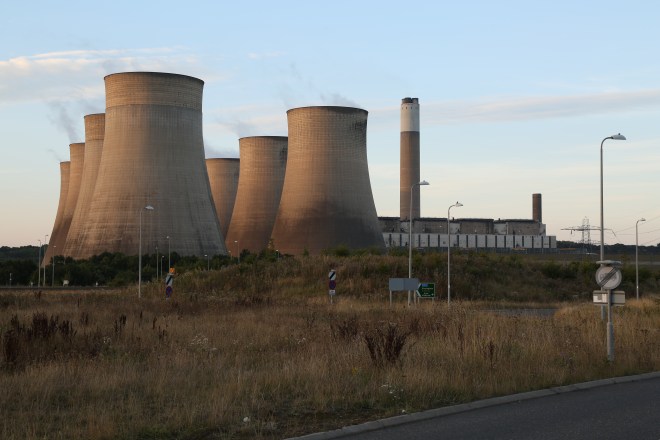
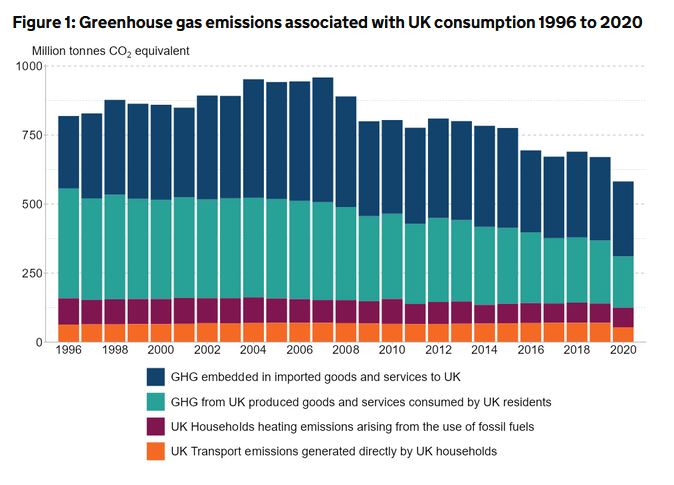
It is easy to see that importing a product has an environmental cost associated with transport. But this is usually only a small part of the carbon footprint. The major part of the carbon dioxide emissions is as a result of the manufacture – from raw materials all the way to the finished product. And yet we very often do not see that. The same goes with other environmental effects such as pollution and the resulting effect on biodiversity. If we had made the product next door we would see the factory and any negative effects. But because we very often import the product, those negative effects are not visible and they could be much worse than our domestic industry. When we import a product, we are actually exporting our emissions associated with that product’s manufacture.
How do we assess the environmental footprint of a product that comes from a far-away land? Unless we know the factory and the supply chain (mines, refiners, component manufacturers, and so on), we are not able to compare the carbon footprint of different imported products. Very few products disclose this sort of information on the packaging.
But there is one aspect we could look into: the carbon dioxide emissions associated with the local electricity grid. It is likely that the carbon intensity of the product from a country is related to the carbon intensity of its electricity grid. After all, a factory will very likely buy and use electricity to make the product. So a product from a country with a coal-burning electricity grid is expected to be more carbon intense than a similar product from a country with a lot of wind power.
If you want to help decarbonise the world economy, one product at a time, then why not consider looking at the carbon intensity of the country of production using something like www.electricitymap.org/map
The more people that do this, the more it will change industrial and governmental behaviour:
- Governments will accelerate electricity decarbonisation efforts if they see that sales are being affected
- Companies will accelerate generating their own renewable energy (solar panels on each factory roof, for example) and will declare it on their packaging (“made using self-generated solar power”)
So next time you are looking to buy a product and can’t decide between different brands or models, check out www.electricitymap.org/map and remind yourself about exported emissions

 Living Laudato Si'