
Plastic bags. What is all the fuss and is it worth it?
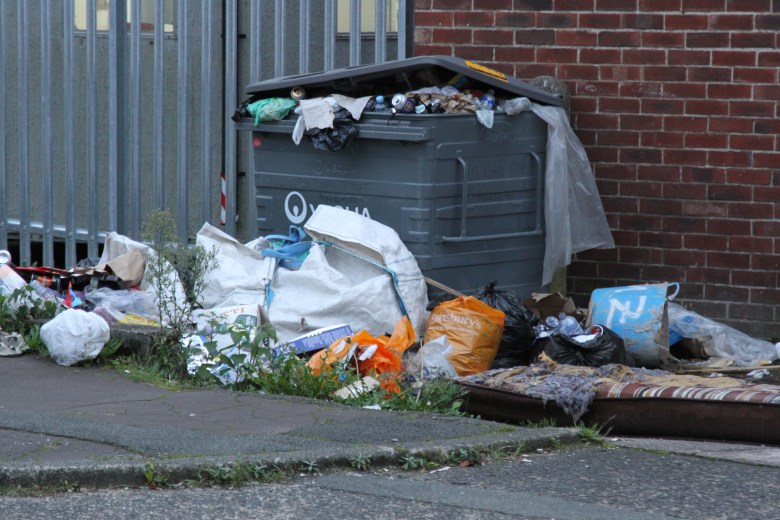
For years free plastic bags have been a visible sign of modern human society – at least as far as your local fox is concerned! We’ve become accustomed to wrap things in plastic, store things in plastic and throw away plastic regularly. It forms a large part of our waste and litters our local environment.
Hard to break down, plastic waste clings around in the local ecosystems and, as much of it floats on water, often makes its way towards the oceans. As it weakens and starts to disintegrate, it forms microplastics which are inadvertently eaten by animals and can end up in the food chain. The long-term consequences of this are still not fully understood. We are effectively running an ongoing experiment everywhere.
Recently an increasing number of countries have introduced a tax or compulsory charging on single-use plastic bags. The response to these charges has been mixed. Some have welcomed them and others see them an unnecessary interference in our lives, perhaps seeing individual use of plastic as a soft target and a distraction from dealing with the bigger problems?
We could look at plastic waste from two different perspectives: from an ecosystem perspective and from a climate change perspective.
From an ecosystem perspective. What is the real cost of plastic waste on our planet’s life forms, currently under pressure due to human activity in general? This has been the subject of a number of recent scientific studies (including this one from the journal Nature) and the IUCN have a summary of the ecosystem problem here. It is fair to say that this is an area of emerging concern for environmental and human health [Alfaro-Núñez, A., Astorga, D., Cáceres-Farías, L. et al. Microplastic pollution in seawater and marine organisms across the Tropical Eastern Pacific and Galápagos. Sci Rep 11, 6424 (2021). https://doi.org/10.1038/s41598-021-85939-3, https://www.nature.com/articles/s41598-021-85939-3].
From a climate change perspective. How much of it is a fossil fuel problem and does it contribute significantly to climate change?
To answer this it is best to look at how we make plastics and then what happens to plastic when it eventually breaks down or the plastic waste is processed with our most common waste treatment steps.
Most plastic is made from gas, oil or coal (fossil hydrocarbons) and around 5% of gas and oil production in Europe goes towards making plastics (see here for more information). As we begin to decarbonise electricity, transport, and heating, the proportion of fossil hydrocarbons being used for plastics will probably grow relatively.
We see what happens to plastic that is dispersed in the environment – and its toll on our planet’s life forms is negative. But what if it is collected and treated appropriately? How much of municipal waste is actually plastic?
Statistics on the UK’s waste treatment are published regularly by gov.uk. Data from 2021 showed that around 2.5 million tonnes of packaging waste was plastic and only 44% of that was recycled.
Landfill – what happens to plastic in landfill? The main concern with landfill is the gradual disintegration into microplastics and contamination as described in this scientific article. As the article explains, ultimately the gases produced depend on whether the decomposition is aerobic (in which case carbon dioxide is mainly produced) or anaerobic (where carbon dioxide, methane, and volatile organic compounds are produced). As methane is a much stronger greenhouse gas than carbon dioxide (with a Global Warming Potential of 86 when compared over 20 years, in other words 86 times as potent as carbon dioxide), landfill of plastics is contributing to a climate change risk.
Incineration – the carbon dioxide released from burning plastic is contributing to climate change – this is carbon that was previously locked away as fossil hydrocarbons within the earth. When it is burnt it is released all at once, similar to emissions from petrol cars or fossil fuel power stations. It doesn’t matter if there has been energy recovery or not in the incinerator, the exhaust will contain fossil-derived carbon.
Recycling – how much energy is required to recycle plastic compared to creating plastic originally from fossil fuels? Can plastic waste make good plastic or does it become low grade plastic? Is there a limit to the number of times it can be recycled? Or does it become weaker with each time it is recycled? For further reading on the subject see this article or this very approachable explainer from the Royal Society of Chemisty.
So perhaps refusing plastic is the best idea after all? How do you approach our global plastic problem?
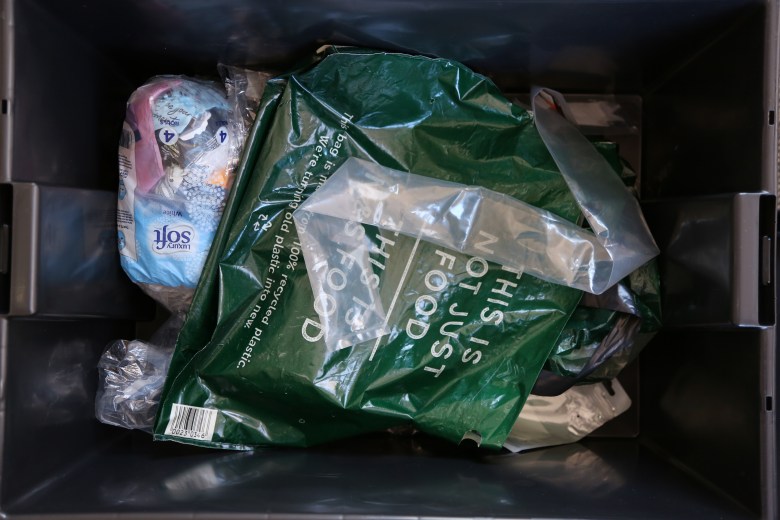
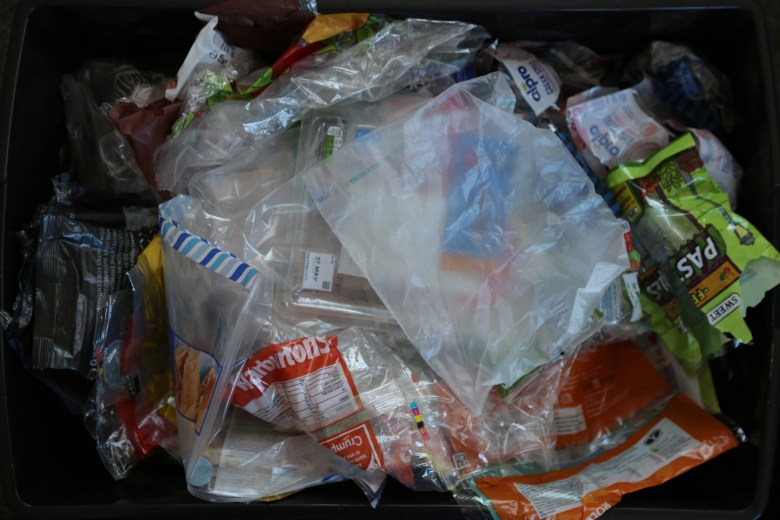

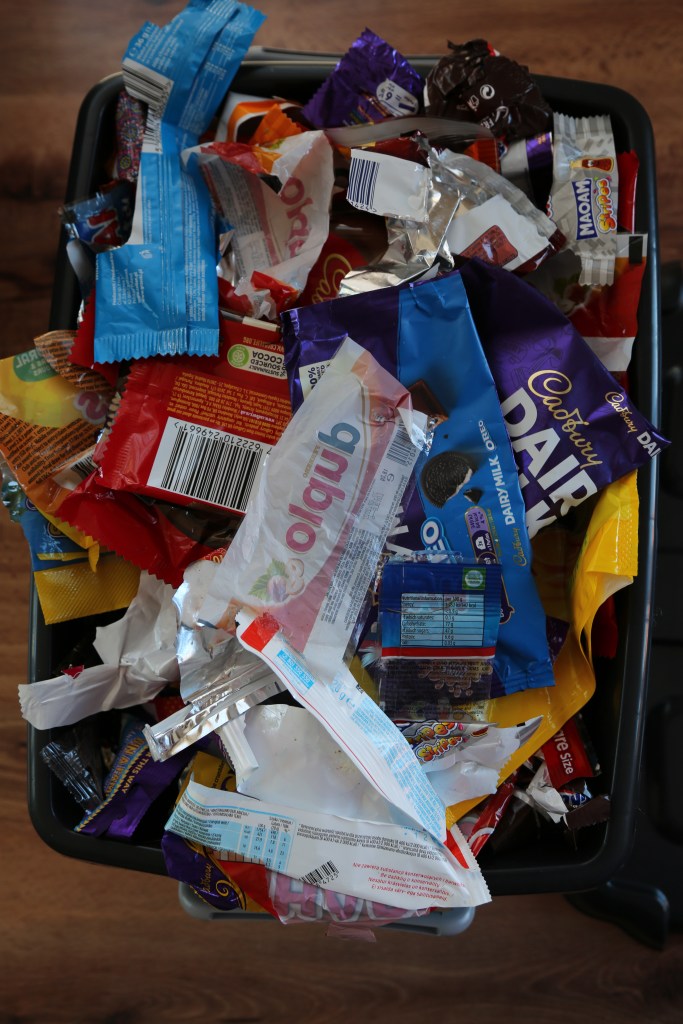
In St Mary’s we collect soft plastics to recycle. See https://livinglaudatosi.com/st-marys-plastic-recycling-project/
 Living Laudato Si'